

























































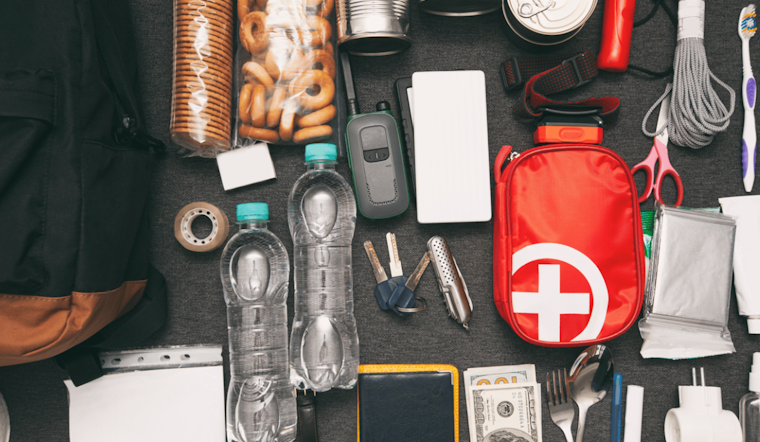
A recent report lays out a frugal guide to disaster readiness that won't leave your wallet in a state of emergency. According to Oregon's Office of Emergency Management, the first step is to start with items already cluttering our closets and pantries. Dust off that old flashlight and those backup batteries, stash away some non-perishables and bottled water, and you're already on a solid footing. They even suggest giving a second life to old clothes by swapping them with your community—perfect for that go bag you hope never to use.
Crafting an emergency plan is a critical next move. It's about knowing where to duck and cover when the ground shakes or where to flee when the air thickens with smoke. As described in a toolkit provided by the same folks at Oregon’s OEM, "The goal is to make sure everyone in your household is ready." This planning saves more than money; it can save the very fabric of your life.
Per the agency's advice, building an emergency kit over time is a wallet-friendly strategy. Add an extra can of beans to your grocery cart each week, especially if they're on sale, and slowly but surely, your stash will grow without taking a major hit to your budget. Plus, local organizations help, with food banks and fire departments offering resources like free smoke detectors to prevent getting burned.
For the more hands-on among us, DIY solutions abound. Thanks to countless online guides, you can convert a humble tin can into a stove or craft homemade heaters. These projects will save you some green and equip you with valuable know-how. And don't forget those free or dirt-cheap community CPR and survival tricks classes.





