

























































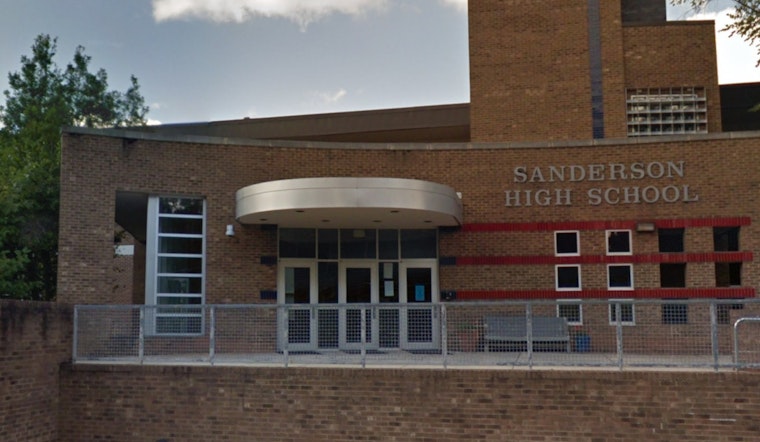
The Wake County School System is facing an HVAC headache, with costs soaring over the $200 million mark to replace outdated and failing units. As schools deal with the immediate effects of malfunctioning air conditioning—a factor that has already caused numerous early dismissals—administrators and board members are grappling with a long-term solution to this growing problem. According to CBS 17, the district's deferred maintenance list, which also includes electrical panels and fire alarms, totals nearly $640 million.
For now, the district's focus is aimed at keeping the doors open. "We mainly focus on things right now to keep school buildings open," Mark Strickland, the Chief of Facilities and Operations, told WRAL. It's a short-term fix to a problem that requires a more comprehensive approach, considering only $114 million is earmarked for remedying these backlogs over the coming four years—far from sufficient to address the district's mounting facility needs.
The Wake County Public School System Superintendent, Dr. Robert Taylor, emphasized the challenge during a board discussion, stressing the importance of not allowing existing structures to decay as the district expands. "The question for the board, the question for the administration, is when we ask for money, when we get bond money, is how much do we put toward new construction and how much do we put toward deferred maintenance," Dr. Taylor said in a statement obtained by ABC11.
This dilemma leaves the school board in a bind as it strives to balance the urgent need for new school constructions against the pressing repairs of aging HVAC systems and other infrastructure. Exploring options for additional state bonds and examining the overall budget, the district is in the difficult position of trying to juggle its limited resources. "We're moving in the right direction; at the same time we have a lot of needs in the district, we have lots of things that need to be fixed or repaired and we've got to look for a path forward to make things right," Strickland told ABC11.
With issues of such scale, Wake County schools serve as a microcosm of a larger national conversation on infrastructure and educational investment. As local leaders continue to deliberate on possible solutions, the district remains caught between the immediate need to provide a conducive learning environment and the long-term viability of its school buildings.





