

























































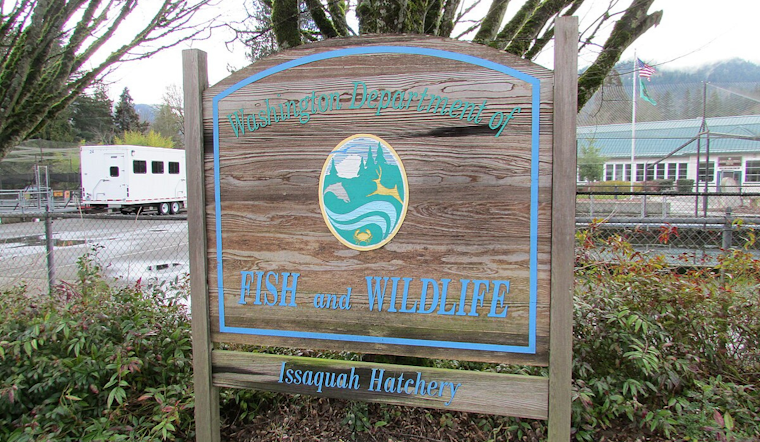
The Washington Fish and Wildlife Commission has its sights set on the end of this month, gathering from September 26-28 in Spokane to deliberate on a slew of key environmental and wildlife management issues, as revealed by the Washington Department of Fish and Wildlife (WDFW). The agenda is packed, covering everything from a Cooperative Management Agreement with the Confederated Tribes of the Colville Reservation, and Coastal Dungeness crab policy, to tackling the chronic wasting disease (CWD) threat.
For those with an interest in the detailed proceedings, the Ramada by Wyndham Spokane Airport Hotel is the place to be. Furthermore, the Commission's discussions and decisions will also be accessible via live stream for broader public viewing. Among the critical decisions on the table are rules concerning red fox trapping, beaver relocation efforts, and a substantial land transaction proposal.
Starting on Thursday, September 26, the Commission is slated to begin with committee meetings delving into topics such as Conservation and Science policy development, an update on the Non-lead Partnership, plus the state's wolf-livestock interaction protocols. The following day will offer a platform for public input, followed by reports from WDFW's Director Kelly Susewind and Regional Director Mike Kuttel, Jr. The Commission will then proceed to make decisions on red fox trapping, beaver relocation, and a forest restoration project in Asotin County called the 4-O Ranch.
Updates on several partnerships and policies linked to the state's heritage and natural resources are also scheduled; this includes the landmark Cooperative Management Agreement between the state and the Confederated Tribes of the Colville Reservation, a collaborative effort for managing fish, wildlife, and the gray wolf, in areas once part of the Colville reservation in the 1800s, the Coastal Dungeness crab policy, as well as the Grays Harbor salmon management policy, chronic wasting disease discussion will conclude Friday's session the Commission informed the public.
The final day, Saturday, will kick off with another public input segment and then transition into a debriefing of the meeting, and planning for future gatherings, before moving to an executive session. The WDFW has made efforts to ensure inclusivity in their public feedback processes, welcoming participation regardless of race, color, sex, age, national origin, language proficiency, religion, sexual orientation, gender identity and/or expression, status as a veteran, or basis of disability. For those keen on contributing to the discussion, prior registration is required for verbal input, whether attending in person, online, or by phone.
Ensuring transparency, the full agenda, public comment submission details, and hybrid meeting access information are available on the WDFW website. Furthermore, the Commission's sessions will be recorded and made accessible post-meeting for anyone interested to view at their convenience. The Washington Fish and Wildlife Commission, appointed by the governor, sets the policy stage for the WDFW, steering the agency's mission to preserve and perpetuate the state's fish, wildlife, and ecosystems, while balancing the needs for recreational and commercial opportunities.





