

























































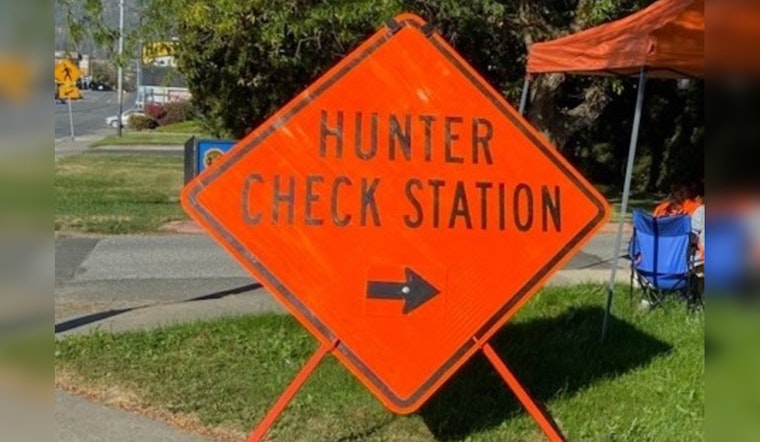
The Washington Department of Fish and Wildlife (WDFW) sends out an imperative reminder to hunters venturing beyond state lines: know your game meat import rules. According to a news release from the department, these regulations are crucial for stopping the spread of chronic wasting disease (CWD) and apply to anyone bringing deer, elk, moose, or caribou back into Washington.
The rules, which have been in effect since July 2022, demand that only deboned meat, clean skulls, and antlers, hides without heads, laboratory samples, and finished taxidermy mounts be brought into Washington; this is a measure designed to keep the dreaded CWD at bay, an affliction that haunts cervids in numerous states and provinces, now including those extracted from the soil of Spokane County in our own jurisdiction and hunters who flout these rules might face serious consequences including confiscation of game meat and, penalties including hefty fines of up to $5,000 waved like a banner of warning for any tempted to skirt the law.
"Our officers have already seized several animals this season that otherwise could have been lawfully imported to prevent further risk to our state," Deputy Chief Paul Golden said in the news release. Violations are not taken lightly, indicating the severity with which WDFW treats the potential spread of this disease.
The Washington Department of Fish and Wildlife stresses the importance of these regulations in light of CWD's presence in the area, a condition that is both transmissible and deadly among cervids, making it imperative that hunters take these rules to heart and thereby avoid being part of the problem; meanwhile, citizens are encouraged to assist by not feeding wildlife in GMUs 124, 127, and 130 and reporting any sick or deceased cervids. For a full understanding of these measures and more details on CWD, the WDFW website serves as a one-stop resource.





