

























































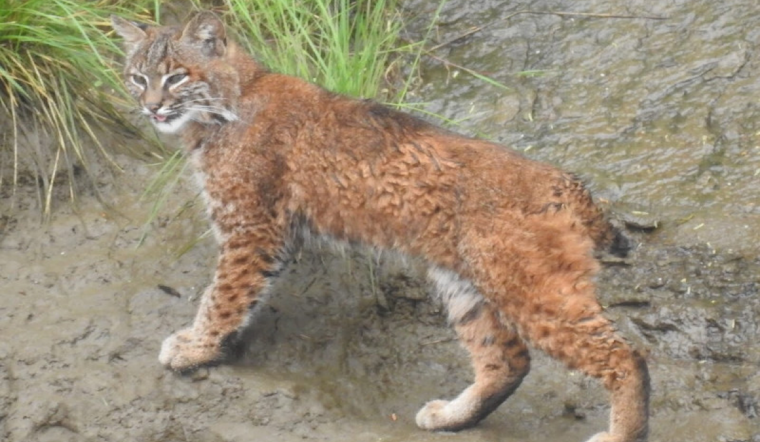
If you're planning to hunt or trap bobcats in Washington coming this fall, be prepared to leave not just with the pelt, but also the lower jaw of your quarry. This new requirement is part of a rule update by the Washington Department Department of Fish and Wildlife (WDFW), which took effect on September 1, as per an announcement on WDFW's site.
The change, meant to aid in managing the state’s bobcat populations, requires hunters and trappers to submit the lower jaw as part of the mandatory pelt sealing process. Stephanie Landry, WDFW’s carnivore, furbearer, and small game section manager explained, "WDFW will now collect the lower jaw from bobcats harvested in Washington so we can use the canine teeth to determine the age structure of harvested bobcats and track changes over time," as reported in a news release. It's a move to gather more accurate data since "bobcat canine teeth cannot be removed as easily as the teeth of other species, which is why the bobcat’s entire lower jaw must be submitted.", mentioned in WDFW's site.
The WDFW utilizes data from the pelt sealing — including the age of the harvested bobcats — to better enact conservation measures and ensure the species' sustainable future. Hunters and trappers are often at the front lines of such efforts, and these new submission requirements further involve them in the critical task of population monitoring.
Those active in the field must remember that all pelts must be sealed by April 20. For further information, such as the latest season and regulation information, interested parties are urged to thoroughly review the "Other Small Game Seasons" section of the Game Bird and Small Game Hunting Regulations or the Furbearer Trapping Regulations, available on the WDFW website. This information will prove instrumental in ensuring compliance and contribution to state conservation efforts.





