

























































As the bells chime to signal the start of a fresh academic term, the State Fire Marshal’s Office (SFMO) is turning its focus to the youth of Washington State, speaking directly about the critical importance of fire safety education in the home and the classroom. Citing a sobering statistic from the previous year, where nearly 8% of fire-related deaths involved young souls under age 10, the SFMO's recent call to action couldn't be more urgent. This announcement, covered originally by Washington State Patrol News, underscores a vital community responsibility: Educating our younger generation on the dangers of fire and the right responses in an emergency.
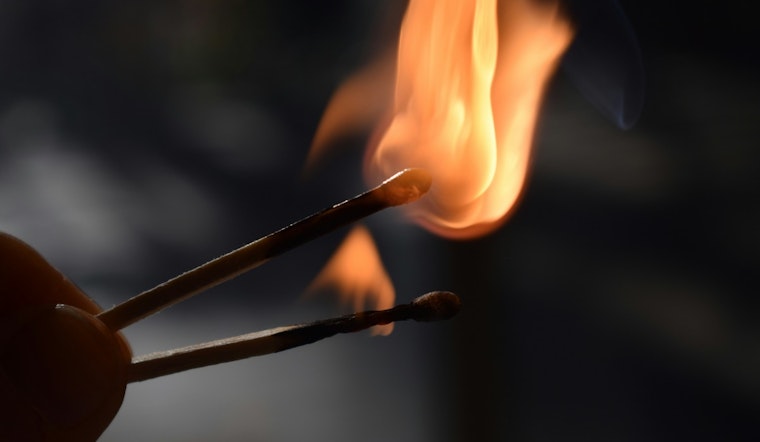
With real-world application at the core of this initiative, the SFMO has laid out an actionable guideline for parents and educators alike. For one, it's about instilling in children an understanding that instruments of fire - matches, lighters, and candles - are not toys, they are tools with risks associated. Beyond recognition, the SFMO insists on establishing boundaries: a three-foot kid-free zone is recommended around potential domestic hazards such as a kitchen stove, a crackling fireplace, or the unassuming space heater. Juxtaposed with this zone of caution, is the empowering sound of a smoke alarm; the need for kids to recognize its warning and to respond by exiting the building in haste and safety cannot be overstated.
The crux of the SFMO's guidance doesn't stop at preventative measures; it encompasses readiness and reaction. The organization suggests that parents and educators drill into the youth the procedure to call 911, the importance of information clarity during such calls, and the imperatives of a well-rehearsed fire escape plan — to be practiced, ideally, twice a year with two safe exit routes. It punctuates the teaching with the firm directive that, in the face of fire, children should gather at a predetermined family meeting spot, and stay outside, resisting every urge to hide. Moreover, the mantra 'stop, drop, and roll' needs to be second nature for all school-registered children, particularly if clothes catch fire.
Bringing the lessons full circle, the SFMO's campaign also seeks to embed a sense of discipline during fire drills at school, emphasizing that the kids’ safety is paramount, and following their teacher's instructions is critical. As we reflect on these poignant safety tips, it is crucial to foster a culture of fire safety awareness among children; with it comes the light of hope that future tragedies can be averted. For more on the SFMO's fire safety guidelines, visit their website.





