

























































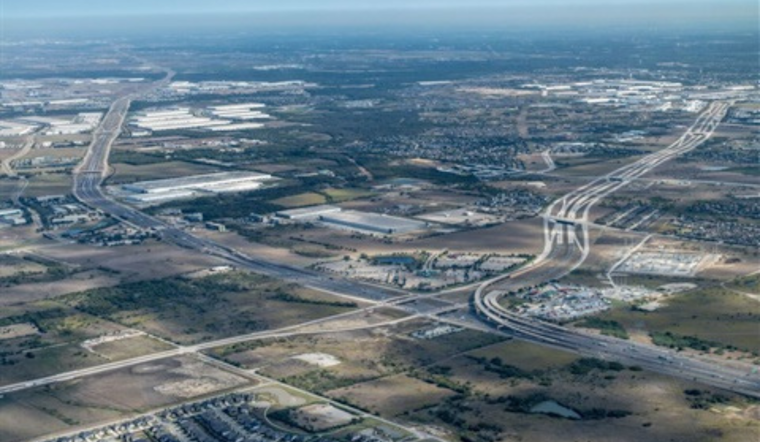
An $80 million grant from the Infrastructure for Rebuilding America (INFRA) has been awarded to the AllianceTexas Smart Port, aiming to revolutionize the way goods and services are tracked across the region and the nation. The grant is a crucial financial boost for the project, which is a collaboration between the Texas Department of Transportation (TxDOT), the cities of Fort Worth and Haslet, and the North Central Texas Council of Governments (NCTCOG).
The importance of this funding cannot be understated, it represents a significant investment in infrastructure that addresses not just local concerns, but those felt on a national scale. According to the City of Fort Worth, the grant will enhance "real-time tracking of goods and services" at the AllianceTexas Inland Port – a hub crucial to the supply chain. Being the only project selected from Texas among 44 nationwide affirms its significance within the broader context of national logistics.
More than an influx of funds, the project boasts a comprehensive plan to connect the inland port with the wider Dallas-Fort Worth regional transportation network. The grand vision includes a state-of-the-art smart connected bridge to State Hwy. 170, intended to ease freight traffic and enhance safety and living conditions in the surrounding counties. As laid out by the City of Fort Worth, this venture also supports the Texas Connected Freight Corridors (TCFC) and intersects with pivotal freight networks along Interstate 35 and Interstate 45.
The AllianceTexas Inland Port stands as a cornerstone of southwestern U.S. entry for global goods, regularly channeling goods from coastal ports through intermodal containers. This initiative promises advantages beyond streamlined logistics, incorporating elements like a 32-acre integrated intermodal depot with BNSF Railway, 5G network growth for autonomous technologies, EV freight operations with charging stations, and a resilient energy microgrid. The forward-thinking mindset is clear in its blueprint – the inland port is set to not just respond to current demands but to preemptively address the rapid evolution of freight and logistics management.




