

























































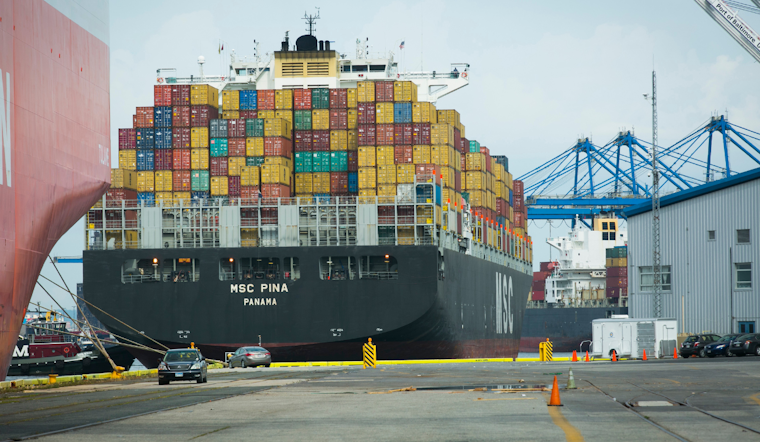
Tensions mount as 45,000 dockworkers commenced a nationwide strike at 36 ports, including those at the Port of Baltimore, following deteriorating talks with the United States Maritime Alliance, the first walkout of its kind since 1977, leaving a significant impact on the country's supply chain and economic landscape, according to reports by WBAL-TV.
Demanding a substantial 77% pay raise over six years and rejecting automation at the ports, which they assert threatens job security, the members of the International Longshoremen's Association (ILA) halted operations, potentially causing a ripple effect through various sectors with delays in shipments of consumer goods and consequent financial repercussions, as explained by an economist from the American Farm Bureau who stated the strike might lead to a loss of $15 million in economic activity per day, this predicament is further compounded by an earlier disruption from the Francis Scott Key Bridge collapse, which already had a knock-on effect on worker's earnings and port activity, as detailed by WBAL-TV.
On the East and Gulf Coasts, where nearly half of the nation's cargo is handled, the standoff is exacerbating pre-holiday season tensions, with anticipated spikes in consumer prices and extensive delay in shipments, the International President of the ILA criticized what he viewed as derisory offers, and the U.S. Maritime Alliance has fired back, filing an unfair labor practice claim against the union, the clash has escalated quickly, indicating a profound gulf between worker demands and employer offers, and echoed the recent repercussions of the Key Bridge collapse according to Fox Baltimore.
Experts from the University of Maryland and Loyola Maryland warn of serious consequences if Baltimore's ports shut down. Disruptions could impact over half of U.S. import traffic, highlighting the city's reliance on port workers still recovering from the March bridge collapse. A potential strike could affect supply chains, raise costs, and reduce the availability of essential goods like car parts and produce.
In response to the burgeoning crisis, the Maryland Port of Administration issued a statement asserting the necessity for resolution and fair compensation for the ILA members, imploring both parties to negotiate and achieve an agreement essential for maintaining efficient cargo flows, addressing the urgency of the negotiations amidst an environment where consumer prices and shipping costs are at stake, as the East Coast and Gulf Coast ports are crucial conduits for a vast array of imports vital to the nation's economy, according to the statement reported by CBS News Baltimore.



.jpg)