

























































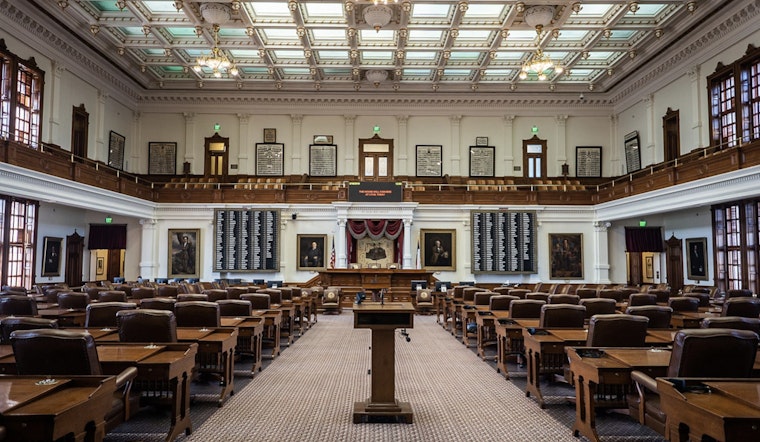
Amid the controversy surrounding the execution of Texas death row inmate Robert Roberson, the state's 'junk science' statute has faced significant scrutiny. A bipartisan group of House lawmakers recently made a final attempt to halt his execution, hoping to invoke a law designed to provide those convicted based on outdated forensic evidence with a chance at justice. Roberson's lawyers contend that the shaken baby syndrome diagnosis used to convict him in 2003 has been widely discredited and argue that he deserves a new trial.
This case, as reported by The Texas Tribune, has revealed a division within the Texas GOP. Lawmakers supportive of Roberson's cause are at odds with conservative leaders focused on a law-and-order agenda. The political tension increased when Attorney General Ken Paxton criticized the House's efforts, releasing a statement that emphasized the case's gruesome details while rejecting claims of innocence. Paxton's statement drew backlash from reform advocates, including Dallas businessman and GOP donor Doug Deason, who described it as "completely unhinged from reality."
While the House has shown a degree of unity in examining Roberson's case, resistance in the Senate could pose a significant barrier to future criminal justice reform efforts. As The Texas Tribune highlights, examples of potential reforms that stalled in the Senate include bills to bar the death penalty in certain cases and to reduce penalties for low-level drug offenses. The Senate's reluctance contrasts with the House's demonstrated commitment to reevaluating issues surrounding the death penalty and the broader implications of the criminal justice system's shortcomings.
Reform advocates have rallied behind Roberson, with State Rep. Jeff Leach, R-Plano, being particularly vocal, joined by members from various ideological backgrounds. However, the impact of the case—and the potential changes it could bring—may depend on the Senate's willingness to align with the House's reform efforts. In a statement obtained by The Texas Tribune, Marc Levin of the Council on Criminal Justice noted that while Roberson's case might energize reform initiatives in the House, any significant progress will require "buy-in from the Senate."
The Roberson case, also discussed by iSideWith, highlights the broader conversation around criminal justice reform in Texas and the United States. As the state legislature prepares for another session, both reform advocates and their opponents are closely watching lawmakers' next moves.








.jpg)