

























































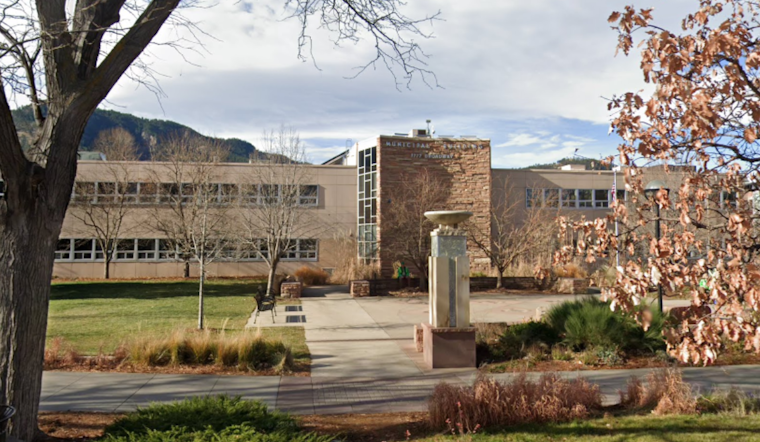
The City of Boulder recently publicized its Crisis Intervention Response Team (CIRT) 2022-2023 annual report, shedding light on the local program's accomplishments and setbacks between January 1, 2022, and December 31, 2023. A link to the full report was provided by the City of Boulder in an announcement published on October 25th. CIRT, as described in the report, partners licensed behavioral health clinicians and clinical case managers with Boulder Police Department officers. Together, they respond to behavioral health crises, offering immediate de-escalation, assessment, and referral services, according to the City of Boulder.
"We are pleased to share this update on CIRT with the community," said Wendy Schwartz, Human Services Senior Manager, as per the City of Boulder, in a sentiment echoed from the report. The program's interaction with the community was notable, amounting to 4,119 encounters. CIRT's clinicians often handled cases of suicidal ideation and substance use. Impressively, more than two-thirds of the individuals dealt with were stabilized within their community, an alignment with recommended best practices. Notably, during the weekends of 2022-2023, demand occasionally outstripped service capabilities, prompting an increase in CIRT staffing over the weekends in 2024.
Challenges are also evident in the data. The report mentions that despite 40% of those receiving CIRT assistance already being engaged in behavioral health services, many lacked strong connections to these services or needed additional support. Fortunately, arrests were made in only 2.5% of CIRT responses, and police used force in a mere 0.3% of instances. These statistics suggest that the integration of specialized crisis intervention teams can reduce the need for more severe police measures.
The city is not resting on these laurels, however. As the report indicates, Boulder also initiated the Community Assistance Response and Engagement (CARE) program last December. The CARE program is set to complement CIRT's efforts by addressing calls that do not involve any immediate safety or serious medical concerns, without involving the police. Though this new program's data wasn't included in the CIRT report, future reporting specific to CARE will keep the public informed on its progress and impact.



