

























































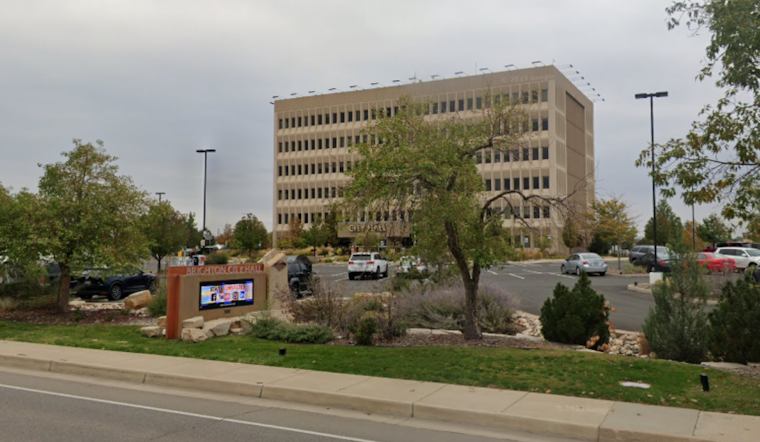
The City of Brighton has initiated a public outreach campaign, imploring homeowners of pre-1960-built residences to assist in identifying potential lead exposure from water service lines. The city intends to ensure the safety of drinking water and fulfill compliance with rigorous new state and federal standards for lead service line replacement. Concerned residents can report their water service line material to the city by emailing [email protected] or by dialing 720-925-9486, as reported by the City of Brighton.
If your living accommodations are on the older side and you are uncertain about the composition of your service lines, the city is looking to soon begin to proactively determine these materials through a method known as core drilling/potholing. This procedure involves digging a compact hole above the service line to ascertain its material composition. Once documented, the city commits to immediately restoring the site to its original state, reassuring residents that there will be no expense burdening the property occupant or owner.
Residents who find out their water service lines contain lead will be contacted to discuss replacement strategies. In its efforts to maintain public health, Brighton is focused on partnerships with homeowners to phase out lead-containing materials from their water delivery systems, as highlighted in the city's online communicator.
Regular monitoring of water in Brighton has shown only trace levels of lead, which are suspected to stem from the domestic plumbing fixtures rather than the municipal supply. When the water exits the treatment plant, it is lead-free, due largely to optimized water treatment processes designed specifically to minimize any potential lead leaching from pipes and plumbing, according to the City of Brighton.
The threats posed by lead contamination are particularly concerning for vulnerable demographics, including young children, pregnant women, and adults with chronic health conditions. Lead exposure is known to result in cognitive deficits and behavioral troubles in children, and in adults, it's linked with amplified risks of heart disease, hypertension, and issues with the kidneys and nervous system. Brighton's vigilant approach seeks to preemptively tackle these potential hazards by actively rooting out and rectifying the presence of lead in its city's water infrastructure.




