

























































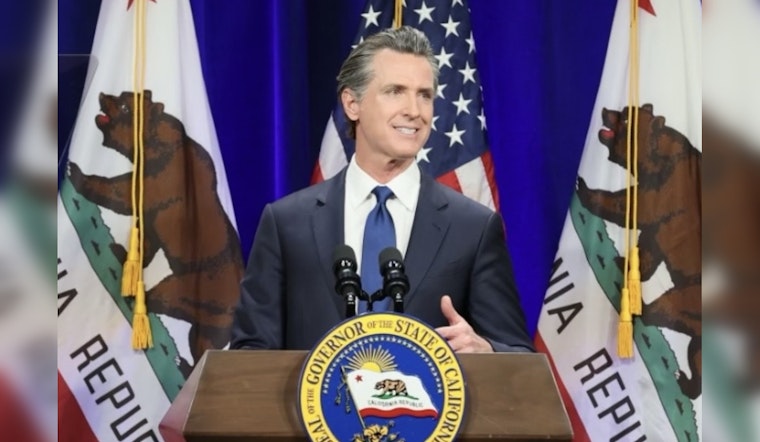
Governor Gavin Newsom has put his signature on a significant piece of legislation, Senate Bill 442, which augments California's sexual battery laws by expanding the definition of misdemeanor sexual battery. The bill brought forward by Senator Monique Limón and backed by Ventura County District Attorney Erik Nasarenko, was created to fill a legal gap that failed to cover situations where offenders coerce victims into touching the offender or someone else's intimate body parts. This move by Newsom represents a notable change in approach to sexual battery charges within the state.
Under the prior Penal Code, offenders found to have engaged in such conduct could only be charged with simple battery – a charge typically linked with less severe physical altercations. With SB 442 becoming law, the perpetrator, that forced a victim's hand onto their groin area in a Ventura County case, would qualify for charges that adequately reflect the seriousness of the act. “This is a necessary step forward in protecting victims of sexual battery and ensuring justice is served in cases where perpetrators have been able to exploit a gap in the law,” Nasarenkosaid, as stated by the Ventura County District Attorney's Office. According to the new legislation, these acts will be formally recognized as sexual battery.
The need for the legislation was brought into the spotlight by a case that led to lesser charges due to the limitations of the existing law. Senator Limón expressed gratitude for the bill's passing, emphasizing the importance of justice for victims of sexual battery. "Victims feel no less violated when their hands are forced to touch another person than when a person touches them," Limón stated, as per the Ventura County District Attorney's Office.
Joining SB 442, Governor Newsom also signed Senate Bill 268, which Nasarenko supported and will reclassify rape of an intoxicated person as a violent felony. The offenses, under this new classification, will be "strike" under the Three Strikes law of California, markedly raising the stakes for repeat offenders and blocking them from early parole hearings. SB 268, just like SB 442, will take effect on January 1, 2025.





-4.webp?w=160&h=400&fit=crop&crop=edges)