

























































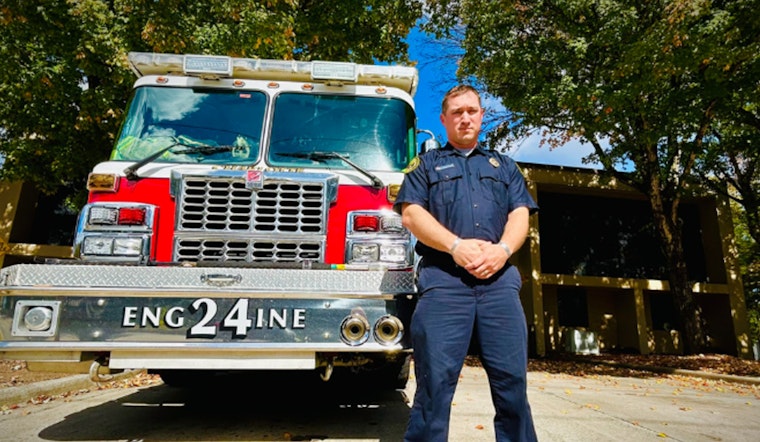
In Charlotte, a firefighter's worst nightmare came true when a blaze at a home in the Ballantyne area intensified, leading to the collapse of a structure, and the entrapment of one of their own. Richard Anderson, a firefighter with the Charlotte Fire Department, became trapped beneath debris on October 15, after part of the house he was attempting to save gave way beneath him. The subsequent rescue operation, carried out by his fellow firefighters, showcased both the perils of the profession and the tight-knit bonds that hold these crews together.
According to a Charlotte City news release, the incident occurred just after 1:30 a.m., with Anderson and others responding to an alarm at Ledger Court. Notably, several members of the rescue team, which included Firefighters Bart Bell and Clayton Llewellyn, Captain Jeff Bright, Captain James Ingold, and Engineer Dennis White, had only recently returned from aid efforts in Yancey County following Hurricane Helene. This experience with natural disaster recovery paralleled their immediate shift back into the fight against an urban conflagration, none expecting the turn their night would take.
Captain Ingold's crew from Engine 32 was among the first on the scene, aiming to suppress the flames that had spread dangerously close to a feared adversary of firefighters: a gas-fed line. "Firefighters want to go where things aren’t good and make them better. That’s what we signed up for," Captain Ingold told Charlotte City News. It was during the strategic retreat to replenish air supplies when Ingold heard Captain Bright's warning of instability in the structure, a caution that preceded the collapse by mere seconds.
Anderson, initially tasked with interior suppression, had been moving hose lines to the second floor when he felt the structure's ominous shift. "Watch out, floor’s getting spongy," Anderson recalled telling his captain, as reported by the official Charlotte City news release. His warning was prophetic, as the building gave way, sending him tumbling into the debris. The emergency Mayday call broadcasted by Captain Michael Evans of Engine 24 came moments after the collapse, propelling the rapid intervention crew into action.





