

























































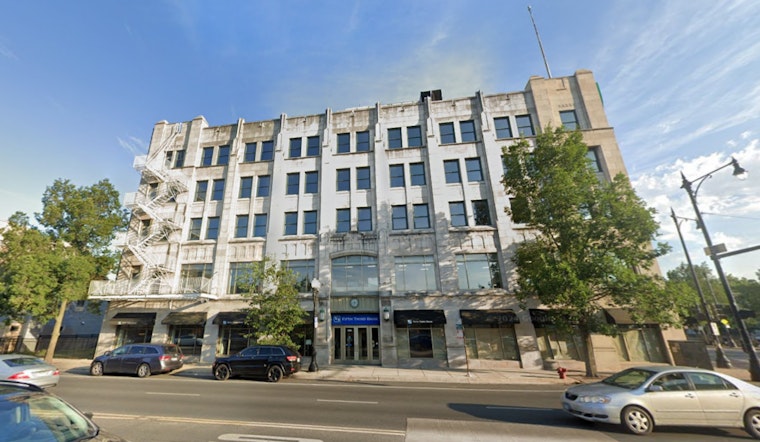
As the city of Chicago maneuvers through an evolving landscape of development and historical preservation, two of its iconic structures are on track to secure landmark status. The Mars Wrigley candy factory in Galewood and the Jackson Storage and Van Co. warehouse in Little Village have been recommended for landmark designation by the city's Department of Planning and Development. According to a report obtained by the Sun-Times, these sites will be presented for final approval before the full City Council.
In the first meeting chaired by Ald. Walter Burnett (27th), as head of the new zoning committee, Mars Inc. agreed to sell the candy factory property to Chicago-based developer McCaffery Interests. McCaffery is soon to begin discussions with the involved Alderman and community groups about the 20-acre property's future. Despite its historical significance as the birthplace of Milky Way and Snickers bars, the factory is slated to cease operations by the year's end, making it imperative to preserve the space's facade, which mirrors Spanish Revival-style architecture, a hallmark from its early days back in 1929.
Across town, the former warehouse of Jackson Storage and Van Co., now owned by Theatre Y, will serve as a community theater following its rehabilitation. As noted by Matt Crawford of the Department of Planning and Development in a statement obtained by the Sun-Times, this structure is a "really rare example of Venetian Gothic architecture in Chicago."
Parallel to these landmarking efforts, the Committee on Landmarks, Zoning and Building Standards also gave the nod to a substantial housing project meant to address both the housing shortage and the needs of survivors of gender-based violence. About one-third of the nearly 200 units in the North Center project will be earmarked as affordable, with 64 of these units being reserved for gender-based violence survivors and their families. This initiative aims to provide them with stability and support services, including child care and employment services. In a report by Block Club Chicago, Ald. Matt Martin (47th) highlighted the importance of this project, saying, "It’s going to provide a stable base for survivors of gender-based violence and their families to rebuild their lives in the longer term."
Lastly, developments in Lincoln Park are given the green light, with a seven-story mixed-use building taking the place of the former home of Affordable Portables and Dunlay's. Developer Howard Weiner from Chicago Development Partners envisions 66 apartments, of which 20% will be in accordance with the city's Affordable Requirements Ordinance, and 3,600 square feet of ground floor retail. Ald. Timmy Knudsen's (43rd) office described the majority of the units as high-end one-bedrooms. As indicated by Block Club Chicago, Knudsen expressed optimism about the development, stating "I’m very excited about this building. I hope it sets a tone for Clark Street, that Clark is open for good buildings and business, and I’m excited about the future of this corridor and our ward." Reflecting Chicago's ongoing commitment to its architectural legacy and the well-being of its citizens, these projects collectively signal a future shaped by both preservation and progress.





