

























































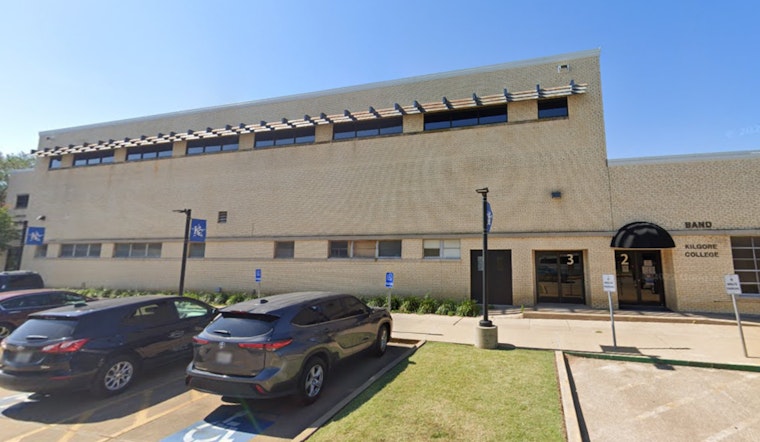
Educational landscapes in East Texas are shifting as high schoolers increasingly enroll in college courses, a trend particularly prominent at Kilgore College where dual credit class attendance has soared by 36.5% in the last academic year. According to The Texas Tribune, the rise comes on the heels of a state program that incentivizes community colleges to offer free dual credit classes to low-income students, leading to these students now comprising the majority of the college's student body.
Intriguingly, as Kilgore College adapts to this influx, teachers like government professor Zachary Carnes are taking on new roles traveling between high schools to teach, "You adapt," he said, "That’s what you do," he told KSAT, his experiences reflecting the broader shift towards off-campus instruction and the college's quieting campus, where adult students prefer online classes and younger ones the duality of high school and college learning environments.
This educational evolution isn't confined to Kilgore College, however; Texas legislators have overhauled community college funding statewide, rewarding institutions financially when high school students garner at least 15 college credits. Brandon Walker, the dean of dual credit at Kilgore College, indicated the transformation, “is changing the demographics of dual credit. It’s given an opportunity to lots of students that would not, from a financial standpoint, have had the ability to sign up,” according to The Texas Tribune.
The collective impact of these dual credit courses is significant, not only in filling classrooms but in shaping the pathway to higher education — instructors are tailoring their teaching methods, merging high school classroom management with college-level content expertise to accommodate the needs of teens still weighing educational and career paths, John Fink with the Community College Research Center explained “To teach a college course really well for high school students, it really is a blending of what high school teachers know and do every day, which is that classroom management working with high school students…and what college faculty members know and do every day, which is that content expertise,” according to a statement obtained by KSAT.
Professor Carnes said, "I certainly see our role as we come into contact with more and more dual credit students…letting them know it’s OK to go to community college for a couple years," as he recounted to The Texas Tribune, embodying a larger initiative to build bridges that extend from high school benches to the pillars of academia.





