

























































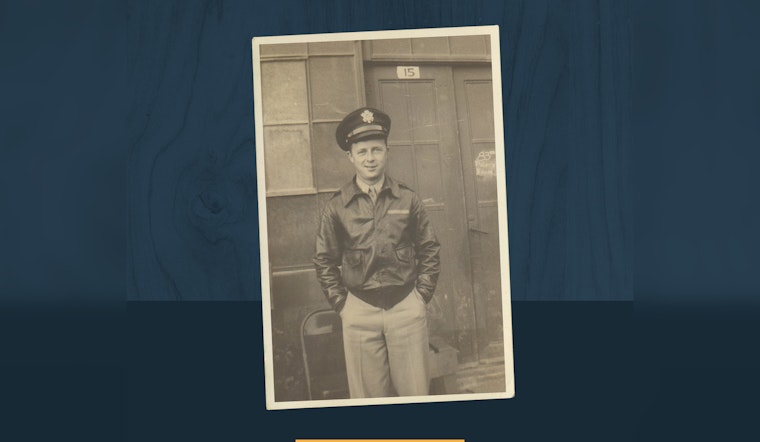
In a recent feature by the Texas Land Commissioner's office, Col. William Gregory's military career has been spotlighted, offering a glimpse into the life of a serviceman who played a pivotal role during critical moments in American history. Gregory, born in 1920 in rural Tennessee, ascended from sharecropper roots to become a distinguished pilot in both the Air Force and Army Air Corps. His journey to the skies began at Middle Tennessee State University where he learned to fly in preparation for a conflict that would soon engulf the world. According to the VLB's Voices of Veterans oral history program, Gregory's induction into the aviation cadets at Fort Oglethorpe, Georgia was the stepping stone leading to his broader military exploits.
Gregory's recollections, shared with the VLB, include a shift from peacetime training to intense preparation once the United States was drawn into WWII by the attack on Pearl Harbor. The colonel described to quickly adapted to flying missions that included escorting bombers and engaging in dogfights over Europe and North Africa. "I was amazed at how black it was," Gregory said, capturing the stark contrast of night flights to the experiences had thus far. His service saw him fly 50 missions as a P-38 pilot, a tenure marked by high casualty rates among his peers—with only 7 out of 28 pilots completing their designated missions by the year's end.
Gregory's narrative, as recounted, speaks volumes about the evolving tactics in aerial warfare. He was notably part of the inaugural dive-bombing mission in a P-38, a risky endeavor that targeted Alghero in Sardinia. "We flew out very low on the deck to avoid contact by radar, and when we reached the target we climbed up to about 3,000 feet, and each of us individually went into a steep dive down on the target, dropped our bomb, and when I rolled out of this steep dive right near the ground," he recounted. His efforts were not without success, signaling a shift in the effectiveness of aerial assaults.
It wasn't merely the theatres of World War II where Gregory made his mark. The colonel also played a role during the Cuban Missile Crisis, a chapter in his career that further etched his name into the annals of military history. On October 15, 1962, Gregory bore witness to the unfolding events that would escalate into a serious Cold War confrontation. He relayed this tense period, recounting the reconnaissance missions that revealed the presence of ballistic missiles on Cuban soil. "Then he flew near the Yucatan peninsula before turning north and flew directly over the western end of Cuba where we had found the SAM sites before. He was at 72,500 feet and he was only over the island seven minutes total," Gregory shared a testament to the high-stakes nature of his and colleagues' undertakings.
Col. William Gregory's story, as documented by the Voices of Veterans oral history program, serves to not only preserve personal accounts of military service but also to imbue a greater understanding of the individual sacrifices made in the name of national security. His narrative spans from the dawn of American involvement in a global war to a period where the specter of nuclear confrontation loomed large, offering invaluable insight into the human experience behind the broader strokes of history.





