

























































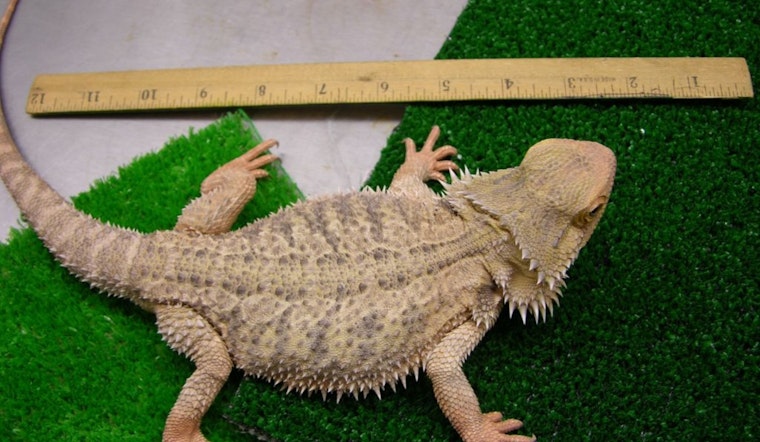
To combat invasive species and protect Hawai‘i's unique ecosystem, the Hawaii Department of Agriculture's Plant Quarantine Branch (PQB) is hosting an educational event for its Amnesty Program. This program allows individuals to surrender illegal animals without penalties and supports the "Don’t Let it Loose" campaign, which discourages releasing non-native marine life into local waters. The event will be held on Saturday at 9:00 a.m. to 2:00 p.m. at the HDOA Plant Quarantine Office, located at 1849 Auiki St. in Honolulu, according to a release from the Office of the Governor.
Agriculture inspectors, during the day, will be available to provide information and showcase displays featuring both live and preserved specimens of the illegal animals that have been turned in, seized, or otherwise came into the state's possession. Directly in line with the event's purpose, educational materials will also be made available, outlining the significant role of Hawaii's animal importation laws and ways the public can assist in safeguarding the state’s agricultural interests and natural habitats.
Sharon Hurd, chairperson of the Hawai‘i Board of Agriculture, emphasized the necessity of the Amnesty Program in preventing the establishment of invasive species within the wild, which could have catastrophic effects on native ecosystems. “The state’s Amnesty Program was established to help prevent illegal animals, both aquatic and terrestrial, from being released into the wild where it could have devastating impacts if populations become established,” Hurd stated in the same press release. Individuals in possession of illegal animals are encouraged to drop them off at designated sites, offering a no-questions-asked provision.
Illegal animals can be turned in at any HDOA office, municipal zoos, aquariums, or the Hawaiian Humane Society across the various islands. Drawing the attention of animal holders to this opportunity for an unpenalized surrender, the program promises that no animals received under amnesty will be euthanized. Depending on the species, amnesty animals may be purposed for education or relocated to institutions off-island where they can be properly cared for.
Conversely, those caught with illegal animals could face a class C felony charge, including hefty penalties up to $200,000 and potential imprisonment of up to three years. To combat the threat of invasive species, residents are urged to report sightings or captures of illegal and invasive animals to the state’s toll-free Pest Hotline at 808-643-PEST (7378).





