

























































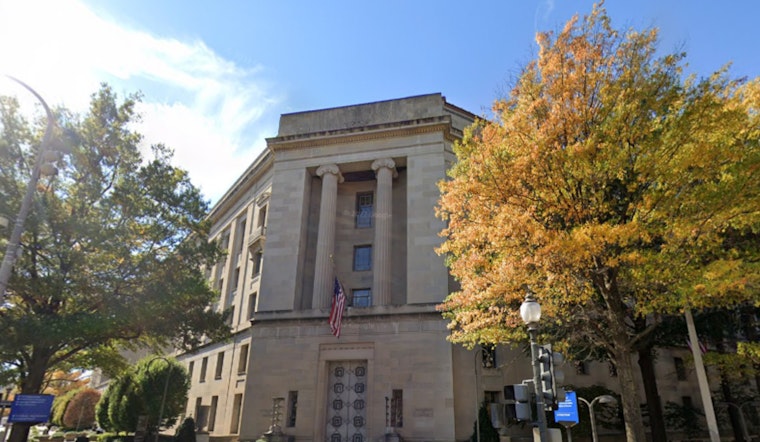
Unsealing charges across multiple districts, the Justice Department has taken a major step by charging ten individuals associated with pharmaceutical distribution in a large-scale opioid pill distribution scheme. The allegations, which surfaced yesterday, point to nearly 70 million opioid pills and over 30 million doses of other addictive prescription medication being unlawfully distributed to so-called pill-mill pharmacies, mainly in the Houston area. These operations have now led to a series of guilty pleas from nine individuals.
In a sweeping enforcement action described by the Justice Department, those charged include five pharmaceutical distributor executives and five sales representatives and brokers. The operations were designed to skirt DEA oversight, employing a "blueprint" which included overpriced drug sales and superficial compliance measures to avoid detection. Selling drugs almost exclusively in high-strength, immediate-release forms, the scheme exemplifies how pill-mill pharmacies have been supplied with narcotics ultimately designated for the black market, despite efforts to camouflage the transactions as legitimate business.
Highlighting the severity of the crime, Principal Deputy Assistant Attorney General Nicole M. Argentieri condemned the blatant exploitation of the opioid crisis for profit. “The defendants, including pharmaceutical drug distributors, allegedly exploited the opioid crisis for profit — selling dangerous and addictive drugs to pill-mill pharmacies at above-market prices, knowing that the drugs would end up on the black market," she said, according to the same press release.
A complex network of schemes was laid bare involving defendants from Florida to Arizona to North Carolina. The charges detail various roles – from Sheldon Dounn's brokerage of millions of opioid pills to Houston-area pharmacies to Hernan Alvarez's presidency at Salus Medical LLC, where he reportedly targeted specific pharmacies known to flip drugs on the street. Standing accused of preying on the vulnerabilities induced by addiction, Derrick "Chad" Atkinson and Joshua Weinstein similarly facilitated this illicit drug trade, using measures that, according to court documents, "mostly facilitated, instead of prevented, diversion."
This enforcement marks the Justice Department's most extensive criminal endeavor to date in holding pharmaceutical industry figures accountable for their role in the opioid epidemic. The collaborative investigation involving agencies such as the DEA, FBI, HHS-OIG, and others underlines the critical push to combat the opioid crisis from all angles of the supply chain, from corporate-level distributors to street-level pill suppliers.




