

























































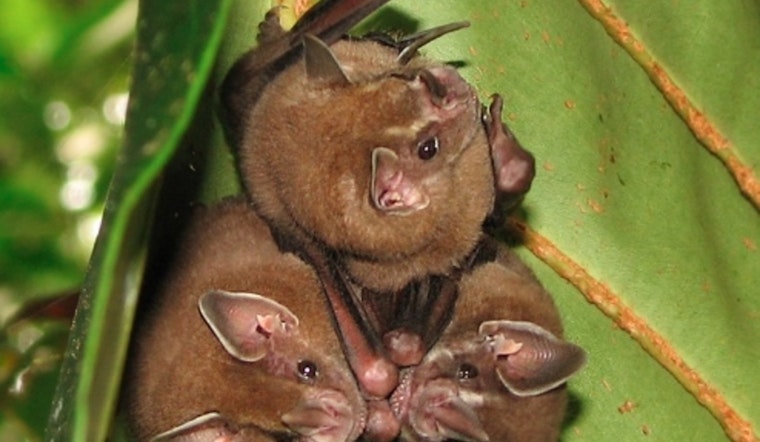
California, a leader in environmental issues, is now facing a concerning invisible threat: an invasive fungus called Pseudogymnoascus destructans, which is deadly to bats and has been found in the Sacramento region. JoEllen Arnold, a bat rehab specialist with NorCal Bats, warned that losing bats could harm California's agricultural economy by increasing crop-eating insects and the use of pesticides, potentially affecting human health, according to KCRA.
The fungus causes white-nose syndrome, which often leads to bat deaths by forcing them out of hibernation when food is scarce. Arnold noted that finding the fungus on a western red bat in Sutter County was surprising, as this species typically doesn't roost in caves or on the ground where the fungus is usually found. The California Department of Fish and Wildlife (CDFW) reports the fungus has been detected in five counties and is suspected in several others. While no cases of the disease in bats have been confirmed yet, the presence of the fungus suggests the disease could manifest in California bats in the next few years, as mentioned in a report by FOX40.
The situation is serious not only for bats but also for the ecosystems and economies they support. A variety of species, including little brown myotis, Yuma myotis, long-legged myotis, big brown bats, Mexican free-tailed bats, and now western red bats, have been found with the fungus. While the fungus is not harmful to humans, people are advised to avoid contact with bats and to take precautions, such as disinfecting clothing and shoes after visiting areas where the fungus is present, to prevent unintentionally spreading it.
The state's Fish and Wildlife team is optimistic about certain bat populations, like the Mexican free-tailed bat, which does not hibernate and may be less affected by the fungus. However, the agency is urging residents to report any unusual bat behavior, such as flying or roosting outside during winter. These measures aim to monitor the spread and impact of the fungus.



