

























































Sacramento is heading into another stretch of triple-digit heat, but the city’s most urgent cooling work is happening at ground level. Officials are prioritizing Del Paso Heights, Meadowview, the Stockton Boulevard area and South Sacramento, where pavement, limited shade and higher cooling costs can make hot days especially punishing. The strategy combines new park canopies, tree planting and landscaping designed to take the edge off.
The temperature difference can be startling even within the same city. KCRA 3 reported that an infrared thermometer measured pavement at 137 degrees about six miles south of Land Park, compared with 86 degrees in Land Park.
Rachel Patten, a city spokesperson, told KCRA that extreme heat can worsen air quality, raise household cooling bills and increase the risk of heat-related illness. That makes shade more than a comfort feature, particularly for children using playgrounds, seniors walking through exposed areas and residents who cannot simply turn up the air conditioning.
Sacramento Is Targeting Its Shade Gap
The city has installed shade canopies over playgrounds at Fong Ranch Park and Shorebird Park, while Thelma Park in South Natomas opened with a shaded playground, covered picnic area and drought-tolerant landscaping. A City of Sacramento progress report identifies park shade structures and tree planting as investments meant to lower surface temperatures and make public spaces more usable during extreme weather.
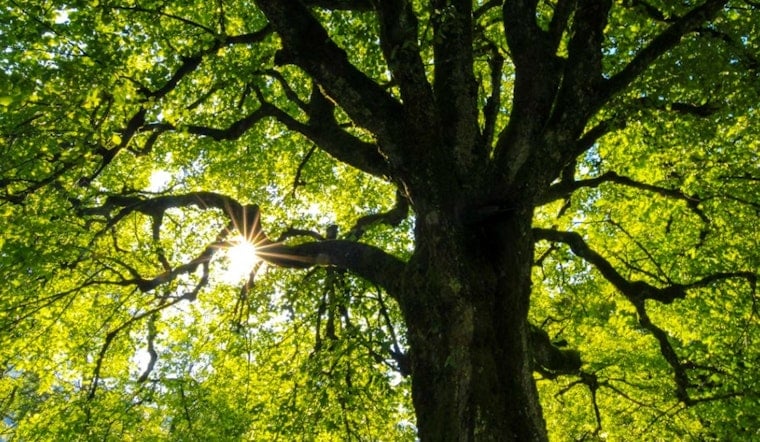
The city also planted more than 300 trees between November 2024 and March 2026, according to KCRA. Sacramento’s adopted urban forest plan says canopy coverage varies sharply across the city, with lower-income neighborhoods and historically redlined areas such as Meadowview, Del Paso Heights, Parkway and Valley Hi generally having less shade than wealthier communities.
That disparity is the heart of the city’s heat-island problem. The Sacramento Urban Forest Plan says neighborhood temperatures can differ substantially based on tree canopy, while the city’s average residential canopy ranges from roughly 10% to 40% depending on the area.
Why A Little Shade Can Make A Big Difference
The science helps explain why the city is focusing on pavement and playgrounds instead of treating heat as a single citywide number. The U.S. Environmental Protection Agency says urban heat islands can raise daytime air temperatures by 1 to 7 degrees compared with outlying areas, while exposed pavement and roofs can become 50 to 90 degrees hotter than the surrounding air.
The timing is not accidental. The National Weather Service Sacramento office has forecast widespread Moderate HeatRisk from Friday through Monday, August 3, with Sacramento International Airport expected to reach around 100 degrees during the weekend.
Sacramento’s broader extreme-heat plan calls for more shade trees, reflective or permeable surfaces, protective landscaping and shade structures in the built environment. For neighborhoods that routinely absorb the most heat, those projects may be small individually—but a canopy over a playground or a row of newly planted trees can be the difference between a usable public space and a patch of concrete best avoided until sunset.




