

























































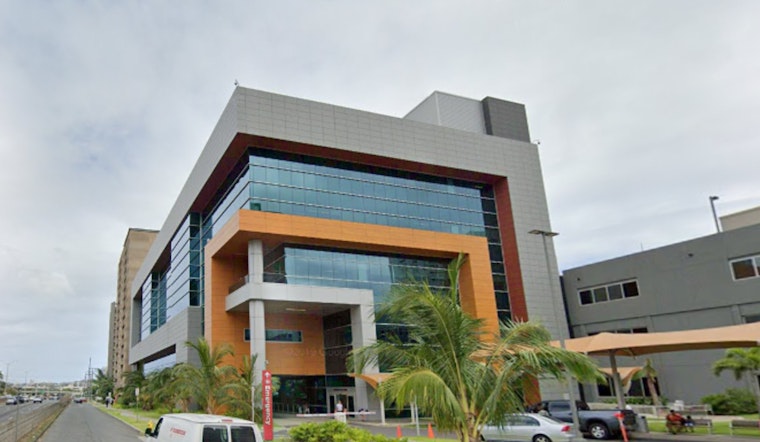
Nurses at the Kapiolani Medical Center for Women and Children are set to go back to their duties after a 22-day lockout that began on September 14. The return is slated for Sunday, with a gathering at the Bingham Roundabout at 7 a.m. before they collectively make their entrance through the Diamond Head entrance of the hospital. According to KHON2, this marks a moment of victory and solidarity for the nurses who have been advocating for safe staffing levels which they deem essential for providing quality patient care.
After a series of negotiations and stand-offs, including two strikes and the lockout, a new contract was overwhelmingly accepted last Wednesday. As reported by Hawaii News Now, this new agreement includes annual pay raises of 3 1/2% over nearly four years, along with longevity pay for nurses who've been at the medical center for 5, 10, or 15 years. A significant element of the contract is an agreed-upon staffing matrix, intended to assess staffing needs uniquely across different units of the hospital.
"We are excited to walk back into the hospital with our heads held high, ready to provide the care our patients deserve," a representative for the nurses told KHON2. The deal's acceptance has been described as a "yes moment", symbolizing the end of a long-drawn-out conflict over working conditions at Kapiolani Medical Center. Rosalee Agas-Yuu, president of the Hawaii Nurses' Association, elucidated upon the sentiment saying, "It was just happiness and just like that 'yes moment', because definitely it’s been a journey," in her interview with Hawaii News Now.
Even though the nurses expressed their readiness to return immediately, logistical adjustments necessitated a slight delay. "You have to reengage them with their badge processes and their parking processes; a lot of things kind of go from there," Gidget Ruscetta, the medical center's Chief Operating Officer, explained to Hawaii News Now. In the meantime, the nurses were actively engaging with their community, taking the time to "make lemonade out of lemons," as stated by the Hawaii Nurses' Association via the same outlet. This community engagement was a bridge, a means to anchor their shared experiences during the lockout.




