

























































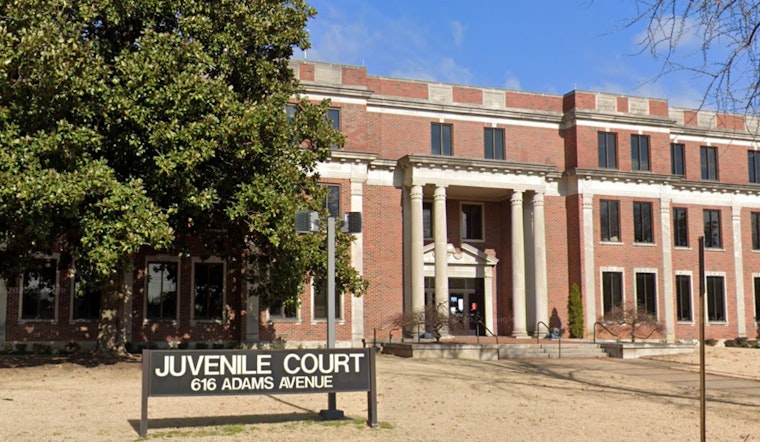
The Juvenile Court of Memphis and Shelby County's move to resume in-person delinquency and detention hearings has been stalled, reverting back to virtual processes due to transportation issues. The court had been closed for over five months due to environmental hazards and was scheduled to reopen today for in-person proceedings. However, a shortfall in transportation options, provided by the Shelby County Sheriff’s Office (SCSO), has obstructed these plans.
According to a report by WREG, the deputies will not be able to transport youths to the Juvenile Court building because the sheriff's office is currently facing a manpower shortage and budgetary constraints. This hitch has delayed the court's anticipated return to its location on Adams Avenue, impacting an estimated 150 cases. Charlie Caswell, Shelby County Commissioner, told WREG that the lack of investment in the county's children over decades is the real issue at hand, rather than the children themselves.
As per details from Local Memphis, Allan Wade, attorney for SCSO, confirmed in a letter the Sheriff's inability to provide the necessary transportation for these hearings. "SCSO acknowledges receipt of your email; however, it incorrectly assumes that SCSO has consented to transportation," Wade stated. This communication further highlights the last-minute logistical changes that the court must navigate.
Despite attempts to find a solution, this cancellation imposes a burden on all parties involved. Dr. Stephanie Hill, Chief Administrative Officer of Juvenile Court, expressed her concerns, stating to Local Memphis, "This last-minute decision to cancel transportation for youth hearings is putting a burden on the youth, parents, and attorneys." The court is now tasked to quickly inform families and legal representatives of these changes and will continue to seek to work collaboratively with the SCSO to find a resolution, as reported by Daily Memphian. Other dockets, such as the Rule 208/Transfer docket, which do not require transportation, will still proceed at the Youth Justice and Education Center.
Throughout this transition, the Juvenile Court has been engaged in discussions with the SCSO to develop a collaborative plan that accommodates both entities, aiming to provide stability and justice for the youth involved. The court had been planning these in-person hearings since the end of the environmental hazard-induced closure, demonstrating an understanding of the importance of in-person judicial processes. However, the matter of transportation remains a critical hurdle to overcome as they strive to return to normal operations.




