

























































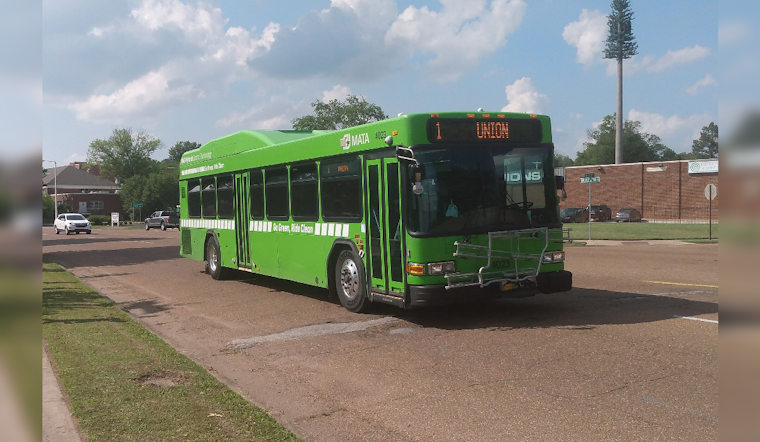
In a sweeping move to reform the troubled Memphis Area Transit Authority (MATA), Mayor Paul Young dismissed its entire board and named nine new members to chart a course for the future. This shakeup follows a grim audit report by consulting agency TransPro, which highlighted a dire $60 million budget deficit at MATA, potential job cuts, and the poor state of public transit services that left riders waiting up to two hours for a bus, as detailed in a recent WREG report.
On the heels of these revelations, the new board, unveiled by Mayor Young, includes a diverse assembly of community leaders and professionals—ranging from financial managers, and community activists, to logistics experts all chosen to inject new life and perspectives into the agency and it hoped the board's composition would herald much-needed change, particularly in response to customer satisfaction plummeting by 49% since 2018, a stat also reported by WREG.
Among the new appointees, Cynthia Bailey is a co-chair of the Memphis Bus Riders Union, a group that has consistently advocated for riders' needs. "Ms. Bailey has been out here," Sammie Hunter, also a co-chair of the union, told Local Memphis, voicing optimism for her inclusion and declaring, "She knows what the people want, she knows what the people like, and she's tremendous for this board."
The sweeping board changes and the urgency in addressing the malaise of MATA’s current predicament also comes after Mayor Young signaled his intentions to not only find immediate remedies such as stopping the proposed layoffs, slated to begin Nov. 3, but also to look for sustainable financial solutions, those layoffs are something the mayor and City Council members hope to delay until at least Feb. 3, to find a viable funding source explains WREG.
Moreover, Mayor Young's decisive action signals a recognition of TransPro’s evaluation that hiring more drivers is a crucial part of a long-term remedy for MATA's operational woes, rather than the looming layoffs, as per WREG. The administration is now in a position to consider difficult decisions and explore routes to financial stability. MATA’s journey from dysfunction to dependable service rests not just upon these new board members’ shoulders but also upon the collective will of a city and its leaders to revitalize a faltering pillar of its public infrastructure.





