

























































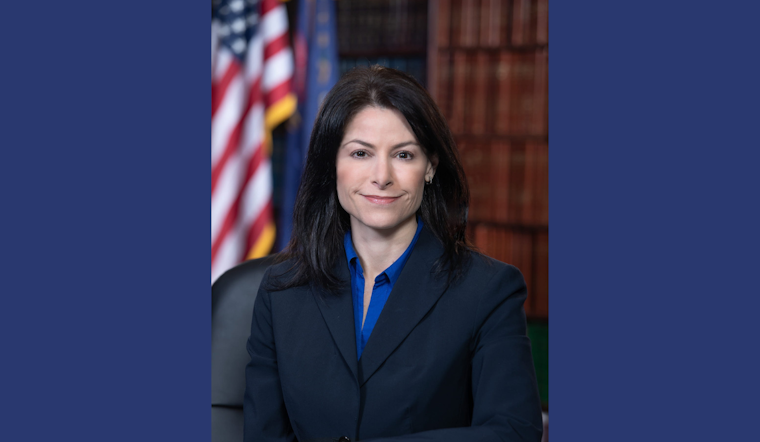
In the recent push to fortify consumer defenses in Michigan, Attorney General Dana Nessel, alongside Corporate Oversight Division Chief Jason Evans, stood before the Senate Committee on Finance, Insurance, and Consumer Protection, advocating for legislative change. The pair testified backing Senate Bills 1021 and 1022, which were introduced by Senator Sam Singh and aim to enhance the Michigan Consumer Protection Act (MCPA).
According to testimony, courtesy of Michigan Attorney General's Office, Nessel expressed the inadequacy of the current MCPA against sharp practices by licensed entities, saying, "My office receives complaints from consumers every day about suspected deceptive business practices, and while the Consumer Protection Team helps thousands of Michiganders each year with the tools at their disposal, the current state of the Michigan Consumer Protection Act is largely toothless and ineffective against predatory conduct perpetrated by licensed businesses or individuals." Nessel believes the legislation would reinvigorate the MCPA's foundational aim of safeguarding Michigan residents from devious business engagements.
The need for legislative overhaul is further underscored by the prohibitive rulings of the Michigan Supreme Court in Smith v. Globe Life Ins. Co. and Liss v. Lewiston-Richards, Inc., which hindered the state's ability to probe procedures surrounding the sales of products or services sanctioned by law by any state or federal body, however, with these new bills, the Attorney General's office would regain the authority to investigate these companies for alleged misconduct.
Further increasing the stakes, Nessel has launched a probe into insulin producer Eli Lilly and is appealing to the Michigan Supreme Court to reassess the prior verdicts that obstruct the department's capability to tackle pharmaceutical manufacturers and other regulated entities under the MCPA; the Court is set to convene for oral argument regarding this request tomorrow, the Attorney General elaborated on the matter, stating, as per the Michigan Attorney General's Office, "The Court ruled that these essential consumer protections should not apply to the customers of a licensed professional and in doing so turned a professional or occupational license into an all-powerful shield against civil accountability for untold customer abuses." The legislative package in contention proposes not just an increase in the types of transactions that fall under the MCPA's domain but also enables investigative demands by the Department of Attorney General to dig into alleged breaches of the Act, with heightened repercussions for violations that exploit the elderly and vulnerable adults.




