

























































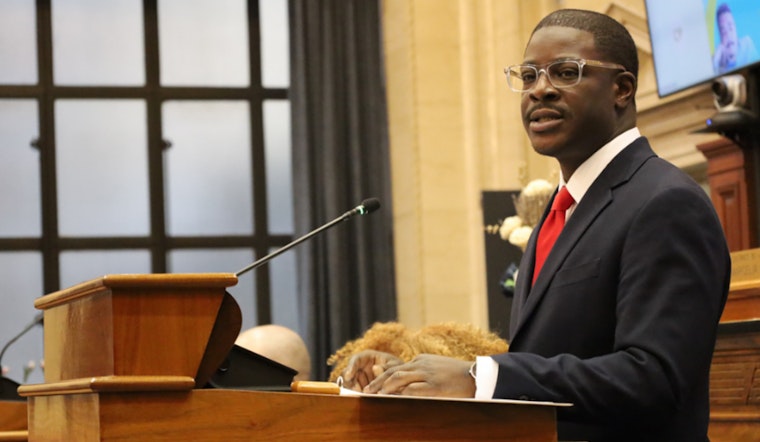
Milwaukee County Executive David Crowley has laid out his financial vision for the county with the unveiling of the 2025 Recommended Budget to the Milwaukee County Board of Supervisors, a plan characterized by fiscal restraint and enhancement of key services despite the constraints of mandated service requirements. In his address to the board, Crowley detailed his strategy to "solve long-standing problems, preserve services, and make the tough choices" necessary to ensure the fiscal sustainability of the county—a theme that resonates with Milwaukee's efforts to reconcile budgetary constraints with its ambitions for growth and community support, as reported by Milwaukee County's press release.
The proposed budget seeks to maintain a delicate balance between maintaining the quality of life for residents and managing the county’s finances judiciously, with a 2.8% increase in property taxes generating $8.2 million, this increase while modest, stands below the property tax levels of 2020, and Crowley highlights the continued effort to evade cuts to crucial services affording a measure of relief to property owners. Notably, a significant portion of the budget—an 11% hike in tax levy funding totaling $13 million—is being allocated to the Office of the Sheriff, the Community Reintegration Center, and Court Operations, in order to uphold the state law mandated services, despite the budgetary stress this imposes, this outlay is engineered to tackle rising overtime costs, bolster recruitment and retention, and sustain adequate staffing, according to the Milwaukee County's statement.
Additionally, Crowley’s budget includes forward-looking initiatives such as over $10 million channeled from federal American Rescue Plan Act funding towards the Milwaukee County Transit System to maintain bus services and upgrade their aging fleet, and a sizeable increase for Milwaukee County Parks, enriching the greenspaces with 10 new full-time positions for program and service maintenance. A pivotal feature of the capital budget is a $6 million allocation for the planning and design of a new facility to replace the Public Safety Building—a crucial investment that will become costlier the longer it's deferred, as per the Milwaukee County's press release.
The contrast before and after the passage of Wisconsin Act 12 in June 2023 is stark; prior to its enactment, the county was faced with a looming $109 million structural deficit, which has significantly improved by an estimated $73 million over five years subsequent to the act establishing a dedicated revenue stream for the county—Wisconsin Act 12 has been crucial in mitigating pension expenses previously burdening property tax levies, and in fostering investments across diverse domains such as housing, transit, and health services, Crowley emphasized the importance of intelligent budgeting for preserving resources for the vulnerable and for the state of Wisconsin’s future well-being in his speech that echoes through the Milwaukee County's announcement.




