

























































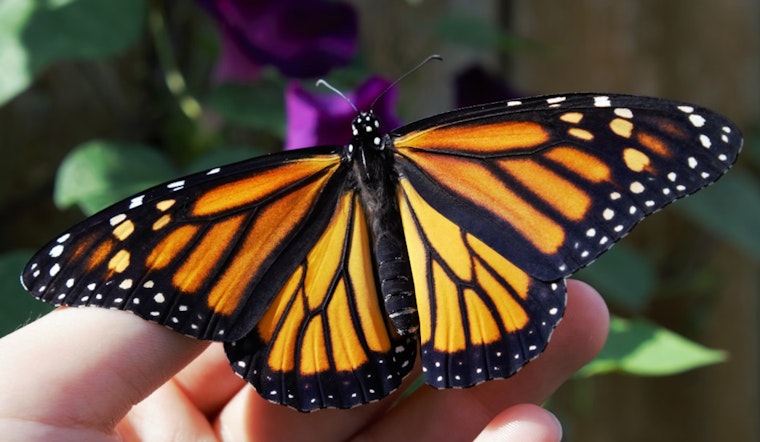
The annual migration of monarch butterflies, a captivating spectacle witnessed in Texas as these insects travel en masse to their wintering grounds in Mexico, is presenting an underwhelming turnout this season. Early sightings in Texas, typically a flurry of activity are scarce, indicating a potential decline in population numbers. "We see the first ones typically in the first week in September, and I haven't seen hardly any," Monika Maeckle, a tracker of the insects from her ranch, told Texas Public Radio. During a recent observation, Maeckle noted witnessing only three monarch butterflies over a span of three days.
Hope had cautiously begun to grow earlier in the year with reports of wetter and cooler weather conditions in Texas, but these have not translated into the rebound many had anticipated for the monarchs, who had already commenced the season with the second smallest population on record. According to KUT, further complications arose with suboptimal weather conditions in the upper Midwest, negatively impacting reproduction during the summer months. The monarchs typically depend on northern cold fronts for their journey, but this year's prolonged heat and arid conditions stretching from mid-August into October are suspected to significantly interfere with their migration pattern.
Kristen Baum, director of Monarch Watch, described the site dedicated to monitoring these butterflies: "The Journey North map looks pretty sparse compared to some years ago." However, Baum stressed that the full scale of the migration won't be clear until winter counts are conducted in the mountain forests of Central Mexico, where the butterflies congregate during cooler months, as mentioned by Texas Public Radio. Despite this, the immediate data suggests a worrying trend for both the monarchs and those who advocate for their conservation.
The long-term fate of the monarch migration is increasingly concerning, as factors such as habitat loss, insecticide use, and the extreme weather patterns associated with climate change all pose a deadly cocktail of threats to the species. "Every scientist I've talked to agrees that the monarch butterfly migration is going away. It’s just a question of when," Maeckle revealed in an interview, also noting in her book "The Monarch Butterfly Migration: Its Rise and Fall," the end of migration does not equate to the extinction of the monarchs, so long as suitable habitats remain to sustain local populations, as detailed by KUT.
In response to the declining number of sightings and growing concerns, conservationists are calling for action to possibly stave off the decline of this iconic insect. The U.S. Fish and Wildlife Service is considering listing the monarch butterfly as threatened or endangered. In the meantime, Maeckle and Baum emphasize the importance of planting native nectar plants and milkweed, which play a critical role in monarch propagation. Additionally, they encourage the public to report butterfly sightings to resources like the Journey North website. "We would know more if we had more observations," Baum told KUT, highlighting that increased public participation could contribute valuable information necessary to help understand and potentially mitigate the challenges faced by monarch butterflies.





