

























































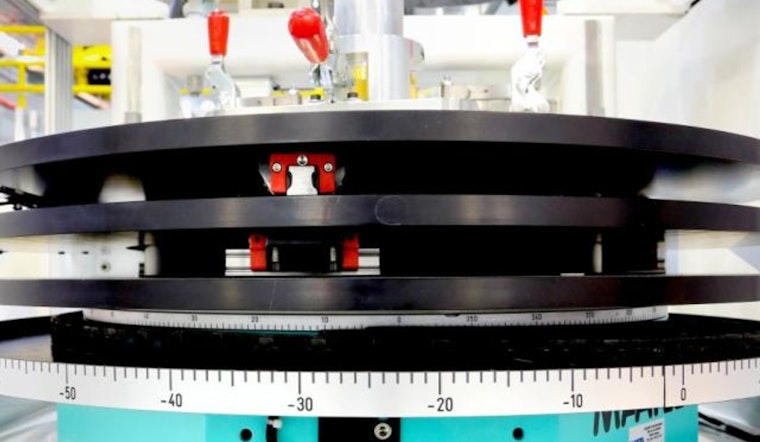
In a noteworthy achievement for the field of biochemistry, Nobel Laureate David Baker has utilized the High Flux Isotope Reactor (HFIR) at Oak Ridge National Laboratory to shed light on the structure of computationally designed proteins. As reported by Oak Ridge National Laboratory, the reactor's unique neutron scattering capabilities played a pivotal role in confirming the arrangements of hydrogen bonds in a novel protein designed to target amantadine, a Parkinson's disease drug.
The necessity of such advanced research tools stems from the complex nature of protein design. HFIR's IMAGINE instrument was the linchpin in providing crucial data about the amantadine-binding protein (ABP), as it allowed an unprecedented observation of hydrogen — an element typically elusive to other research techniques. “Most people don't quite understand why neutrons can be important,” Dean Myles, a distinguished R&D scientist at ORNL, pointed out, “In this particular case, the neutron experiment we did was critical to the science because they needed to know where the hydrogen atoms were.”
Baker's groundbreaking work has opened the door to potentially limitless applications, from more efficient drug delivery systems to enzyme design—destined to revolutionize not only medicine but also industries such as biofuel production and plastic decomposition. In his recent Nobel Prize-winning efforts, Baker has explored the untapped possibilities of protein combinations that nature has yet to utilize, delving into the 99.9% of potential sequences that remain uncharted.
As the field of computational structural biology evolves, ORNL remains at its forefront by hosting workshops like “Neutrons in Structural Biology,” which stimulate discussions on scientific advances and collaborative opportunities. Despite the existing capabilities of ORNL’s neutron sciences resources, ongoing developments promise to push past current limitations, as the Second Target Station at the Spallation Neutron Source is set to handle more complex biological molecules. "We cannot reliably predict where active hydrogen atoms sit and how chemistry is performed in many of these systems, which is why our biology user groups come to ORNL to use neutrons," Myles added.
Amidst these scientific strides, the collaboration with ORNL's neutron scattering facilities remains critical for Baker's continued research. Jens Dilling, associate laboratory director for Neutron Sciences at ORNL, expressed pride in the lab's contribution: "David Baker used ORNL’s neutron scattering facilities to study hydrogen locations and bonds of his designer protein. It is, of course, fantastic and very rewarding to see scientific work recognized by the Nobel committee, and we are proud to have contributed to some of his studies with HFIR," Dilling told Oak Ridge National Laboratory.





