

























































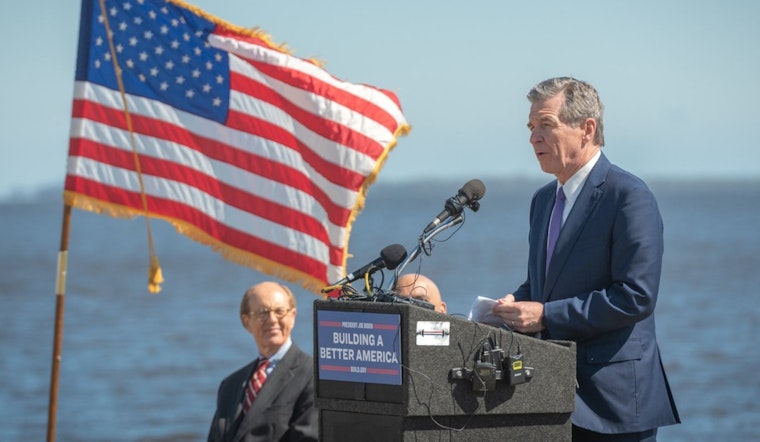
In a significant leap toward environmental equity in the Tar Heel state, Governor Roy Cooper has unveiled the Governor's Environmental Justice Advisory Council report. This hefty compilation of recommendations, born from the council reappointed in October 2023, delineates a strategic path for integrating environmental justice into North Carolina's governance.
Underlining the historic engagement of North Carolina with environmental justice, Governor Cooper said, "As the birthplace of the environmental justice movement, North Carolina is working to level the playing field for impacted communities and preserve and protect our natural lands and resources," according to a press release on Governor Roy Cooper website. The report swings the spotlight onto an ambitious ensemble of 14 policy recommendations aimed at considering environmental justice in state decisions, fleshed out with advice from over 40 propositions by several subcommittees of the Council.
Jim Johnson, PhD, and Virginia Guidry, PhD, co-chairs of the Council, shared their visions for the recommendations. Johnson highlighted the roadmap's evidence-based, data-driven nature for achieving a just environment, emphasizing robust engagement with state agencies. Guidry, on her part, delineated the importance of assessing the combined weight, often carried by marginalized communities, of environmental burdens. Their statements were featured in the aforementioned press release.
The recommendations include the creation of an Office of Environmental Justice within the Governor’s Office of Public Engagement and establishing a North Carolina-specific environmental justice index. The report also stresses the refinement of the EJ Mapping Tool for better accuracy and accessibility, and the involvement of community leaders in decision-making processes. Moreover, it recommends mandatory environmental justice training for all state and local government employees, a measure that could ground governmental actions in a profound awareness of environmental justice principles.





