

























































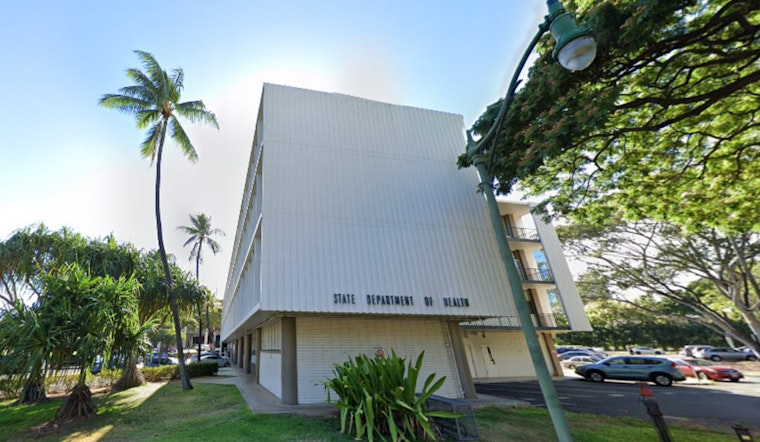
The Hawai‘i Department of Health has reported yet another travel-related case of dengue virus on Oʻahu, tallying the year's count to an unsettling 13. This recent case has been linked to an individual who ventured to a region where the virus is in active circulation. The Hawai‘i Department of Health, in a responsive streak, have already dispatched their Vector Control Branch for on-site assessments and consequent mosquito control operations in the affected zone. With the uptick in travel as a likely culprit for these cases, a community-wide push for preventive practices is more vital than ever.
It's a transmittable predicament, from person to mosquito, then back to person, the dengue cycle is as relentless as it is preventable. Despite Hawai‘i hosting the species of mosquitoes that are dengue carriers, the state has not yet reached the point where the disease is endemic. However, as highlighted in a recent statement by the Hawai‘i Department of Health, various global regions are experiencing above-average dengue activity, thus amplifying the threat for travelers and locals alike. The islands' encounters with dengue so far include one case on Kauaʻi, three on Maui, and with the latest addition, nine on Oʻahu.
In navigating these treacherous waters, the Centers for Disease Control and Prevention have laid out a map of precautions for those setting sail to dengue-prone territories. Their travel advisory encompasses the essentials: the use of EPA-registered insect repellents, a wardrobe of long sleeves and pants for the outdoor adventurer, and the sanctuary of air-conditioned or well-screened sleeping quarters. It's a preventative crusade not just during the voyage, but well after; travelers returning home are urged to persist in their anti-mosquito maneuvers for a full three-week period. Should any ominous signs of dengue, fever, nausea, or body aches, manifest within a fortnight post-travel, professional medical guidance is imperative.
Mosquito control is a collective endeavor stretching beyond areas with confirmed cases; it's a household chore with global consequences. Simple actions, such as the upending of water-filled receptacles, ranging from small buckets to casual cups left out in the open, are gauntlets thrown down to mosquito breeding. Hawai‘i's Department of Health is implementing stringent protocols, but the real victory lies within the community's commitment to annihilate potential mosquito habitats. For a more comprehensive understanding of the dengue threat and the state's mosquito-wrangling strategies, officials are directing the public to the Department of Health's DOCD and VCB websites. Here's to squashing the spread—one overturned bucket at a time.





