

























































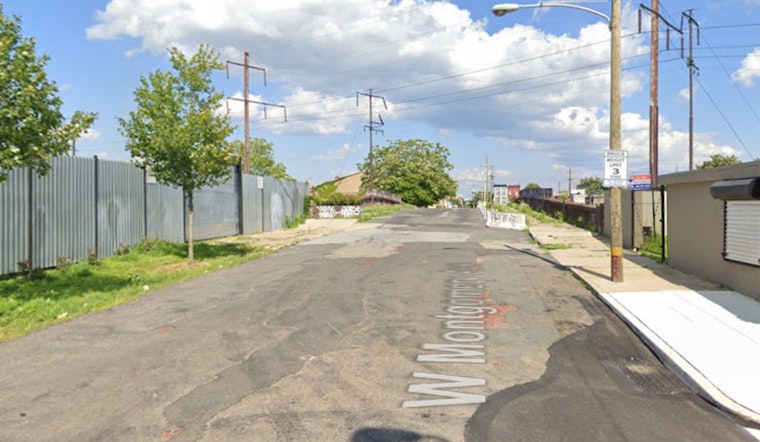
Philadelphia is taking decisive steps to bridge its gaps with federal assistance. On Tuesday, Mayor Cherelle L. Parker and Philly's Department of Streets, flanked by federal representatives, cut the ribbon on the Montgomery Avenue Bridge. It's a notable opening as the bridge stands as the first significant project funded by the Bipartisan Infrastructure Law (BIL) completed in the city. For this effort, the City bestowed a $17 million contract on Buckley & Company, Inc. back in 2021, leveraging a blend of 80 percent federal BIL funds, 15 percent state contributions, and a five (5) percent slice of City Capital funds, as reported by City of Philadelphia.
Amidst the celebrations, Mayor Parker highlighted the significance of the reopening, saying, "Today, we celebrate the completion of the restored Montgomery Avenue Bridge, a key connector in the Strawberry Mansion neighborhood that will reopen a vital access point for North Philadelphia." She further commended the Biden-Harris Administration and federal partners for their leadership that brought the BIL to fruition. Furthermore, this project aligns with Philly's vision for a safer, cleaner, and greener Philadelphia, ensuring economic opportunities are accessible across the board. Parker's administration is committed to a government that all Philadelphians can "see, touch, and feel," according to the City of Philadelphia.
The bridge's restoration is just a fraction of the employment wave expected from the President's broader infrastructure and economic plans. Earlier, President Biden selected Philadelphia as one of four cities to pilot the White House Workforce Hubs, aimed at funneling Americans into jobs spurred by a slew of legislative acts including the American Rescue Plan and the Inflation Reduction Act. Local policies, including the Geographic and Economic Hiring Preferences, are being rolled out to catapult residents of less advantaged zip codes into apprenticeships and journeyman positions. This initiative sets the stage, providing family-sustaining wages and tangible career opportunities in the construction industry, as per the City of Philadelphia.
Those very apprentices and journey workers—carpenters, cement masons, ironworkers, among other trades—were instrumental in the three-year journey that brought the bridge to completion. Touching on the multi-faceted expertise involved, the Department of Streets Commissioner, Kristin Del Rossi, stated, “The Montgomery Avenue Bridge reconstruction demonstrates the wide scope of work carried out by our talented teams at the Department of Streets.” Underlining the diversity of projects her department oversees, Del Rossi mentioned enhancements for both pedestrians and cyclists with the Fox Chase Lorimer Trail connection and traffic calming installations that contribute to Mayor Parker’s goal for a greener city, as mentioned by the City of Philadelphia.
The Montgomery Avenue Bridge, forged with about 191 tons of structural steel from High Steel in Lancaster County, PA, also represents a logistical ballet, demanding seamless coordination with Amtrak, Conrail, and PECO to minimize disruptions to rail operations.



