

























































October marks American Archives Month and the City Archives is celebrating with an exhibit that digs into the hefty vaults of history to bring to light Philadelphia's connections to global catastrophes. From the sinking of the Lusitania to the Titanic, these archives aren't simply dust-gathering documents—they are narratives of people, their losses, and the city's enduring ties to these events. As per a recent announcement by City Archives, the exhibit also showcases the meticulous efforts undertaken to preserve these records for posterity.
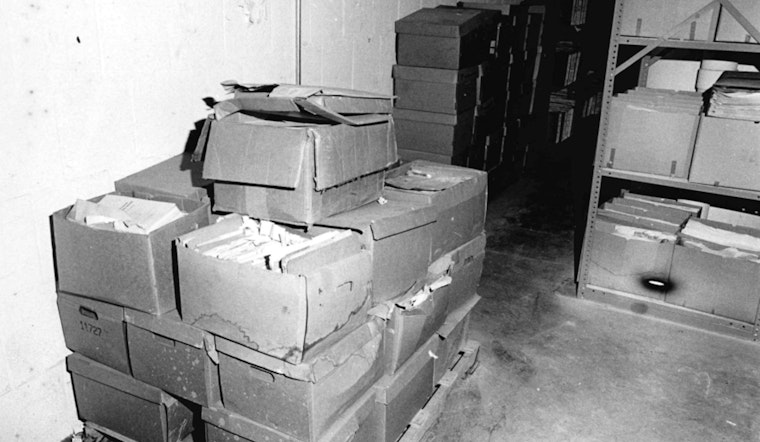
Conservation isn't a job done lightly; it demands a commitment to constantly re-assess, re-process, and update vital historical records. Archivists toil to keep Philadelphia's past intact—battling against time, red-rot, and vinegar syndrome. They meticulously re-folder documents into acid-free folders and cradle them in pH-neutral boxes for safekeeping. The art and the science of preservation is brought to life through this exhibit, aiming to demonstrate the unseen struggle to keep history alive and readily accessible. Visitors to the exhibit can expect to see actual tools used in disaster recovery, including masks and gloves, a physical manifestation of the archivists' battle to protect the city's collective memory.
But the City Archives isn't the only keeper of history; personal records hold keys to the city’s past stories too. Tips on how to safeguard personal treasures are also provided in this exhibition. The Archives advises against storing important records in areas susceptible to temperature swings, like attics or basements. Instead, they suggest a main floor closet as a safe haven for historical documents. Furthermore, the exhibition cautions against using sealed plastic bags for storage since they could create a breeding ground for mold and mildew. To avoid the pitfalls of time and technology, they recommend the Library of Congress’s "3-2-1" rule for digitization: Ensure you have three copies, stored on two different types of media, with one located offsite.
The exhibit also uncovers documents connected to well-documented calamities with Philadelphia ties, giving attendees a contemplative glance at the city's grief and resilience. Among the showcased artifacts are a death certificate marking William Hodges' tragic demise aboard the Lusitania and a glimpse into the aftermath of the Johnstown flood through records detailing the city's response. But perhaps most impactful are the preserved records that narrate the losses of Philadelphians on the Titanic—a disaster that, even after a century, captivates public imagination. The Dulles family, in particular, is featured, with pieces including William Crothers Dulles' death record—the only one of its kind in the City Archives—to paint an intimate picture of the monumental loss.




