

























































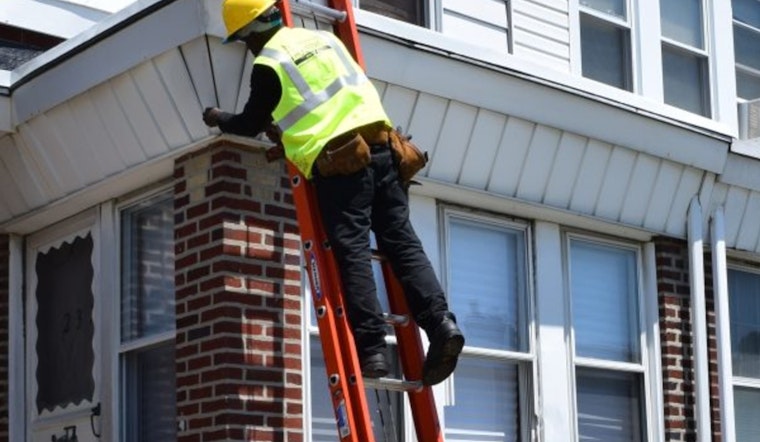
The City of Brotherly Love is taking a hard look at how rental housing improvements could benefit public health, in a partnership that includes some heavy hitters: the Philadelphia Department of Public Health, the Federal Reserve Bank of Philadelphia, and the University of Pennsylvania's Housing Initiative. At the heart of this collaboration is the evaluation of Philadelphia's Rental Improvement Fund, a program by the Philadelphia Housing Development Corporation designed to help landlords make crucial repairs while keeping rents stable.
Unsafe or unaffordable living conditions can fuel stress, deteriorate mental health, and push families to the brink of instability. Recognizing this, the health department is digging into the connection between housing and health, examining if proper home maintenance can alleviate respiratory troubles like asthma and mitigate lead poisoning risks, especially in children. Critical issues, such as mold, leaks, and inadequate ventilation, often plague less affluent households, and this initiative aims to tackle these injustices head-on.
Real-world effects of the Rental Improvement Fund on tenants' health are being gauged through a survey conducted by the University of Pennsylvania. The survey will target tenants living in properties under renovation due to the fund—asking pointed questions about their living circumstances and the impact of improvements made. According to a statement from the health department, tenants will receive invitations for this survey via various channels, including email, mail, or text, to ensure broad participation.
To complete the picture, researchers are not only focusing on the residents but also on the property owners who have used this program. These owners will be interviewed to identify whether the program has indeed made it easier for them to invest in health-promoting property upgrades.



