

























































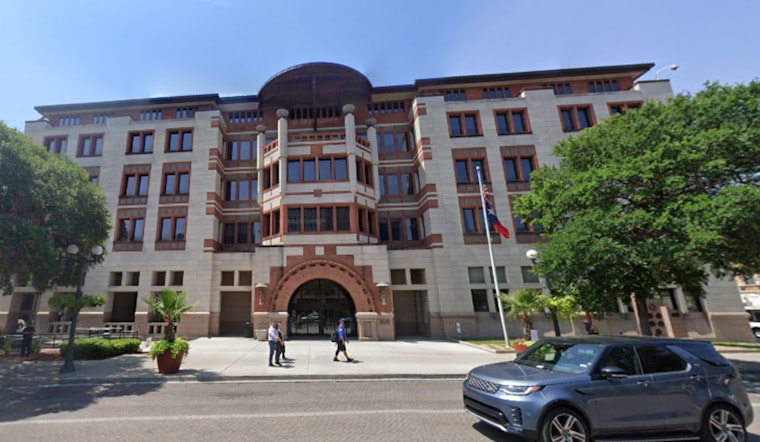
The Bexar County’s Cadena-Reeves Justice Center, already overburdened by an enlarging population and swelling case volumes, is up against the wall, in urgent need of more courtroom space. This has been a discussion bubbling to the surface for some time now. In a statement obtained by KSAT 12, Criminal District Court Judge Ron Rangel spotlighted the courthouse's dire straits, having to oftentimes ask defendants’ loved ones to linger outside during docket calls due to limited capacity.
Rangel, whose voiced concerns about the space were echoed throughout the courthouse corridors, stated, "The courthouse space has always been an issue. We’ve seen it coming for several years." The subsequent increase in jury trial delays, Rangel pointed out, sabotages case processing efficiency as actionable plans from county commissioners hang in an uncertain balance. He argued that the surge in caseloads “absolutely affected our caseloads,” a slip in articulation, yet not distortive enough to undermine the gravity of the matter, as per KSAT.
As explained by Rangel, and reported by thedoghousespa.ca, officials have mulled over repurposing unused downtown areas, including vacant parking lots, for new or additional courtroom facilities. Nevertheless, Rangel asserts that a new building would be the essential remedy to alleviate the county’s growing demands – a stance that projects a view into the infrastructure needs of a swelling county populace that show no signs of abating.
While some measures of progress have been noted, with Rangel suggesting "agreements...with the county as it relates to building courtroom space are years in the making," the lengthy process elongates, offering no swift resolution in sight. Rangel urges a longer view, one that eschews band-aid fixes for robust, lasting solutions. "This issue isn’t going to go away,” he told KSAT. "Rather than look at short-term solutions, take care of the county as a whole. I think our taxpayers deserve that."
From the administrative angle, Dan Curry, the county director of facilities management, conveyed the predicament and the ongoing strategies to address it. He shared with KSAT, “We are acutely aware of the space constraints and are continually developing ideas and strategies to provide additional space.” This acknowledgment underpins a narrative of persistent growth both in judicial and county functions, indicative of a broader conversation about the county’s infrastructural evolution to meet its citizens' service needs.




