

























































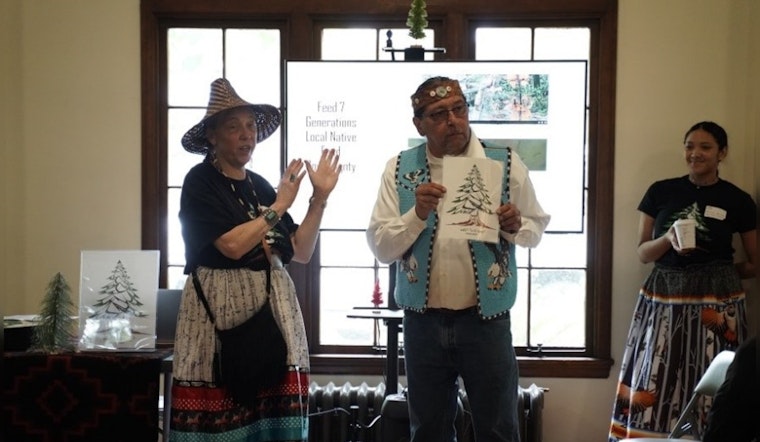
Seattle's Windz of Change Alliance is spotlighting the urgent need to address climate and cultural inequities. The city-funded group, representing a range of Indigenous tribes, maintains a focus on educating the public about the importance and sacredness of regional flora, particularly trees, and their intertwined history with Indigenous cultures. With support from the City of Seattle’s Environmental Justice Fund, they're making strides toward their goal to honor and preserve Indigenous heritage and environmental health.
The alliance, described as tribal facilitated, run, and represented, has recently been involved in a series of workshops at Camp Long, a 60-acre urban forest in West Seattle. "We are welcoming and inclusive of anyone who wants to partner alongside us to build community, relationships, action, and awareness," Kim Camara, executive director of Windz of Change Alliance, told the Seattle Office of Sustainability and Environment.
One such event, the Indigenous Tree Teachings: Coastal Peoples Eco-Cultural Stewardship workshop, offered attendees a forest walking tour and showcased the Western Red Cedar – a species vital to the local ecosystem now facing threats from urban development and climate change. "By bringing tribal art that reflects Coast Salish descendants of lands upon which Camp Long sits, we can respectfully restore and offer increased awareness opportunities for diverse communities about First Peoples who have been here since time immemorial," Camara explained in a statement.
Windz of Change's ongoing programming also includes collaborations with Indigenous artists such as Micah McCarty and Jimmy Price who are contributing their art to enhance the cultural landscape of Camp Long. In describing the critical link between environmental practices and cultural preservation, Jeffery Thomas, a Muckleshoot tribal elder, reflected, "When you cut down all the trees and plants that provide medicine and food, that not only affects the landscape, but it impacts the people." Such perspectives are driving Windz of Change to advocate for policies and actions that safeguard Indigenous rights and ecological resilience.
Through this work, Windz of Change is addressing an underlying truth: the climate crisis intersects with, and exacerbates, the struggle for Indigenous rights. The alliance calls for solutions-based healing led by Indigenous voices, recognizing their unique role in combating environmental inequities. This approach aligns with broader efforts toward climate justice, ensuring that Seattle's historically marginalized communities have a voice in the stewardship of their ancestral lands.





