

























































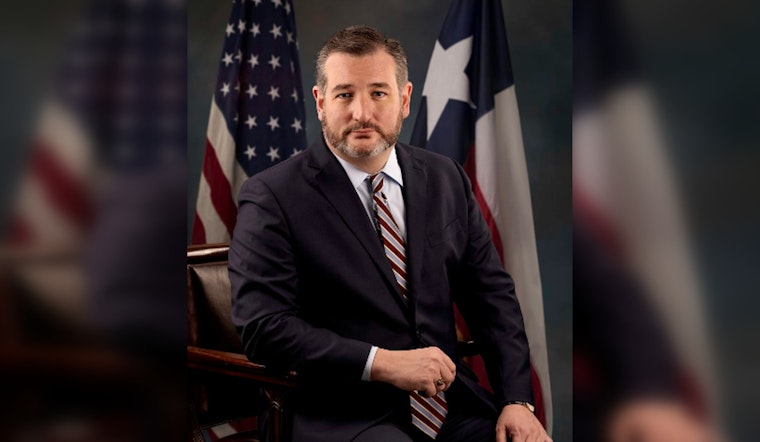
In a recent turn of events leading up to the November 5 election, Senator Ted Cruz has lodged a formal complaint with the Federal Election Commission, alleging illegal coordination between his opponent, U.S. Rep. Colin Allred, and the Democratic Senatorial Campaign Committee. Cruz's campaign asserts that the Allred campaign has benefited from television ads funded by the Democratic Senatorial Campaign Committee to the tune of $10.6 million, a figure that exceeds the Federal Election Commission's cap on coordinated expenditures between a candidate and their party by a significant margin. According to The Houston Chronicle, the Federal Election Commission rules stipulate a maximum allowable coordinated spending limit of roughly $2.8 million in Texas.
The crux of Cruz's argument centers around what the Federal Election Commission defines as "hybrid ads," which are supposed to split their focus between party messaging and individual candidates. However, Cruz's campaign believes that the four ads in question do not adhere to this rule because they do not devote equal time to generic candidates and issues. In a statement to The Houston Chronicle, Cruz's campaign manager stated, "Colin Allred's campaign is illegally coordinating with Chuck Schumer and the Democratic Senatorial Campaign Committee. We are calling on the Federal Election Commission to immediately investigate and put a stop to this flagrant violation of federal law."
On the other side, theemocratic Senatorial Campaign Committee has refuted these allegations, arguing that their advertisements comply with existing Federal Election Commission guidance on hybrid ads. According to a Democratic Senatorial Campaign Committee spokesperson, "The DSCC is running the same kind of advertisements that the NRSC, the Republican National Committee and Republican members of the Federal Election Commission all argued are legal - and that are being run by Republican Senate campaigns across the country." This comes in echo to an earlier Federal Election Commission deadlock, where the commission failed to reach a consensus on whether certain ads ran afoul of the campaign finance laws, as reported by The Texas Tribune. A deadlock like this effectively allows for the continuation of practices such as those now under scrutiny.
The timing of this complaint is crucial, coming as it does less than two weeks before election day, with polls indicating a narrow lead for the two-term GOP senator over Allred, a former NFL player. It's a season rife with strategic ad placements and multimillion-dollar campaign expenditures, aimed at swaying a volatile electorate. In light of the complaint, a spokesman for the Federal Election Commission declined to comment citing, "confidentiality requirements," as mentioned by The Houston Chronicle. This leaves the public, and the candidates, awaiting any action or response from the Federal Election Commission, with the campaign trail heating up and the clock ticking steadily towards Election Day.
This dispute over campaign ad spending and the legalities of coordination represents yet another chapter in the ongoing scrutiny of political financing, where the lines between coordination and independent expenditure remain blurred and contentious. While the FEC's next move is watched with bated breath,, the stakes for both parties could not be higher as they race toward the goal of electoral victory, navigating the murky waters of campaign finance regulations.





