

























































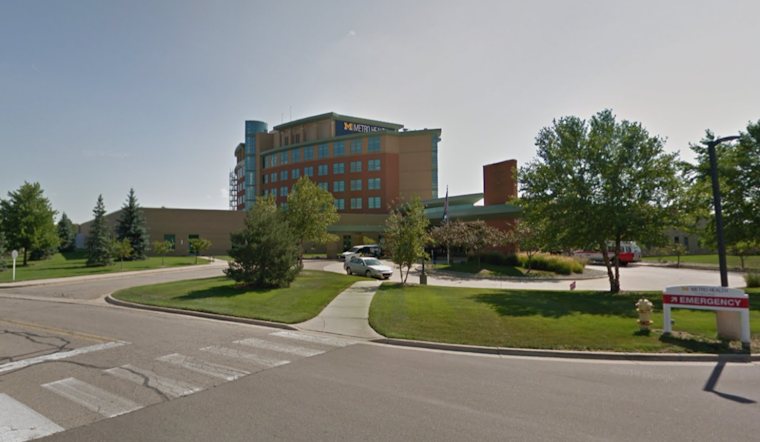
A pioneering treatment for liver cancer that uses ultrasonic sound waves to target tumors is now being offered at the University of Michigan Health-West, making it the first hospital in West Michigan to do so. The non-invasive procedure, known as histotripsy, converts cancerous tumors into liquified sludge using focused ultrasound waves, which the body then gradually reabsorbs. In a statement by FOX 17 Online, Dr. Clifford Cho, chief medical officer at UM Health-West, explained that histotripsy is "about as non-invasive as having an ultrasound test," highlighting its safety and remarkable tolerance by patients.
The first patient to receive this new treatment in West Michigan was Greg Allushuski, who underwent the procedure with immediate positive outcomes. According to an MLive report, Allushuski characterized the experience as providing him with a "new lease on life," noting that he went in feeling good and came out feeling even better. This treatment arrives after Allushuski's extensive cancer journey, which previously included more severe treatments like chemotherapy and radiation.
UM Health-West appears to strategically position itself to relentlessly push forward the frontiers of cancer treatment. As per information provided by UM Health-West, histotripsy was developed in Ann Arbor and received FDA approval in October 2023. It has the potential to transform liver cancer therapy, offering unprecedented precision in non-invasive treatment.
Though currently approved only for liver cancer, there are ongoing discussions to extend its use to other cancers. As per MLive, Dr. Cho elaborated on the broader implications, noting that histotripsy could potentially be used "to treat cancers in other parts of the body, like kidney, pancreas, muscle, heart and brain." Beyond its immediate impact, histotripsy might also trigger a systemic anti-cancer immune response, a phenomenon that has shown signs of causing other cancer cells to die off.





