

























































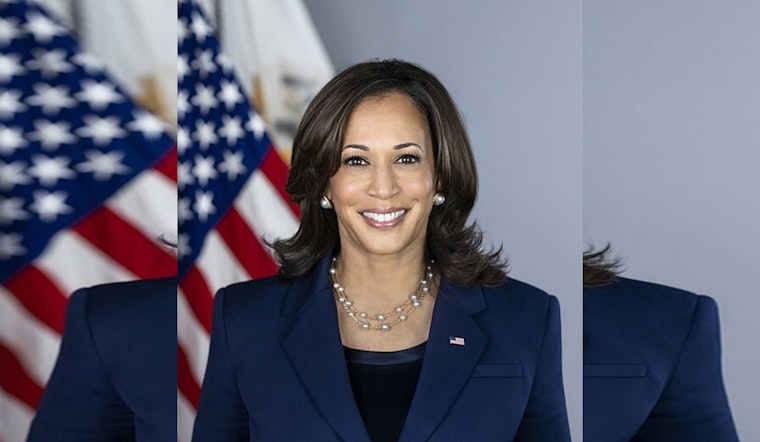
As the political race heats up, Vice President Harris is working to appeal to a wider audience, trying to attract moderate Republicans and independents in the final stretch of the campaign. As the VP champions her message in swing states, some progressives, like Brian Ramirez of the Georgia Youth Justice Coalition, feel a pang of desertion as they perceive a rightward shift. "It just hurts, when she says, ‘I’ll have Republicans in my cabinet’ or she’s campaigning with Liz Cheney," Ramirez revealed in a group organized by NPR, voicing a sentiment not uncommon within the ranks of party loyalists.
Despite these strategic contortions, the commitment from the left's base seems shaky but unbroken Harris leans heavily on the narrative of former President Trump as a democracy-quaking figure, echoing troubling descriptions from Trump's own former chief of staff, a move that secures some nods from the progressive cohort but can't alone heal the fissure of enthusiasm. Joseph Geevarghese, executive director of Our Revolution, fears such an approach ignores the bread-and-butter concerns of working-class voters; "The question is — which candidate is going to improve my standard of living? Which candidate is going to give me a better shot of living the American dream?" he argued, according to NPR.
In an attempt to cover all bases, the Harris campaign has also touted its more inclusive efforts such as engaging conversations with media personalities like Charlamagne tha God, rallying with Barack and Michelle Obama, and steadying its connection with union workers in pivotal states. The vice president has also spotlighted corporate greed and opened the door to federal jobs for non-degree holders, components of a broader campaign strategy aimed at keeping the undecided within the Democratic clutch.
The international realm has not escaped the critical eye of progressives either, as Adrian Consonery, Jr. recounted his discomfort with the Biden administration's stance on Israel amid the sobering backdrop of civilian casualties in Gaza issues which seems to abate—but not vanish—under Harris's wing "At this current juncture – they’re doing a way better job than what they were," Consonery confided according to NPR. However, activists like Weonhee Shin, who struggles to muster enthusiasm for door-knocking, and Marisa Pyle, who views her vote for Harris as "harm mitigation," underscore a persistent unease within the party's left flank.
Nevertheless, as election day looms, powerful endorsements come into the fray with Michelle Obama addressing voter discontent and urging against complacency, while Harris herself attempts to weave a bond with the younger electorate, acknowledging their impatience for change. "I see you. I see you," the vice president professed at rallies, a clear nod to the pressing issues close to the heart of youth—a demographic pivotal to the Democratic cause. It is a sentiment that resonates with veterans like Rev. Gerald Durley of Georgia, who, while armed with decades of civil rights advocacy, also counsels persistence to the youth: "If I can vote for 65 years — you can vote for 15 more days. If I can stay in the movement for 65 years — you can," he said, as reported by NPR.





