

























































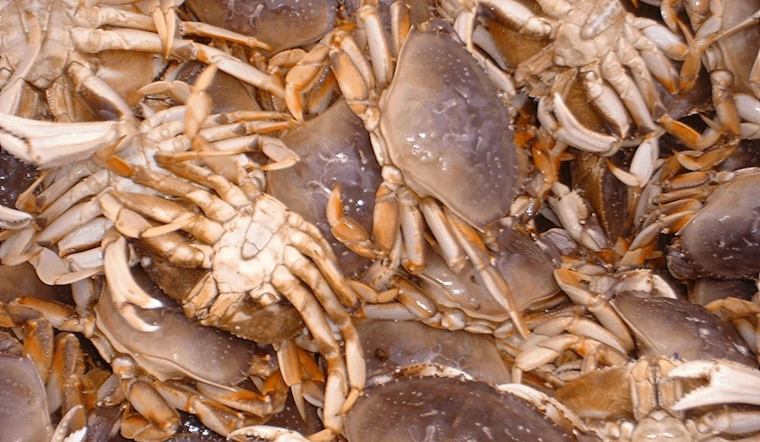
Crab enthusiasts and environmentalists alike, the Washington Fish and Wildlife Commission wants to hear from you. A call for public input on the revised Coastal Dungeness Crab Policy has been issued, with the deadline for comments set for Oct. 15. This policy, outlined in 1999 and untouched since serves as an essential guide for the Washington Department of Fish and Wildlife (WDFW) in balancing species conservation and economic interests related to the state's most lucrative commercial fishery and a beloved recreational activity. WDFW announced the initiative with the hope of modernizing efforts and addressing contemporary ecological and economic challenges.
The coastal Dungeness crab industry is a jewel in Washington's crown, with state landings for the 2023-24 season valued at $66.8 million. Recreational crabbing opens year-round, subject to variation in pot closure dates across different locales. Despite the ebb and flow of the annual yields, Dungeness crabs persist aplenty along the state's coast. "The Coastal Dungeness Crab Policy guides the WDFW to promote species conservation, as well as the economic well-being and stability of commercial and recreational crabbing," said Lorna Wargo, WDFW’s intergovernmental ocean policy coordinator, in a statement obtained by the department.
Adjustments to the policy are outlined with clarity and purpose: minimizing entanglement risks for species such as humpback and blue whales as well as leatherback sea turtles is a top priority. To this end, WDFW is acquiring an Incidental Take Permit, alongside developing a comprehensive Conservation Plan in compliance with the federal Endangered Species Act. Additionally, WDFW has introduced a monitoring program to estimate the recreational harvest better and bolster understanding of this sector, which is critical for informed management.
To equip the fishery for the demands of climate change, WDFW has appointed a new climate and ecosystem research scientist tasked with fusing climate research into the fishery conservation and management strategies framework. Anyone eager to review the proposed policy changes can find the draft available for public scrutiny. Comment submissions are accepted through the PublicInput webpage, and a virtual public meeting will take place on Oct. 15 from 6-7:30 p.m. Interested individuals can register for the meeting via Zoom. Following the collection of public insights, WDFW staff will deliberate and present findings at an upcoming hybrid meeting on Oct. 24-26 in Ellensburg. Details on participation are to be announced on the Commission's meeting webpage.





