

























































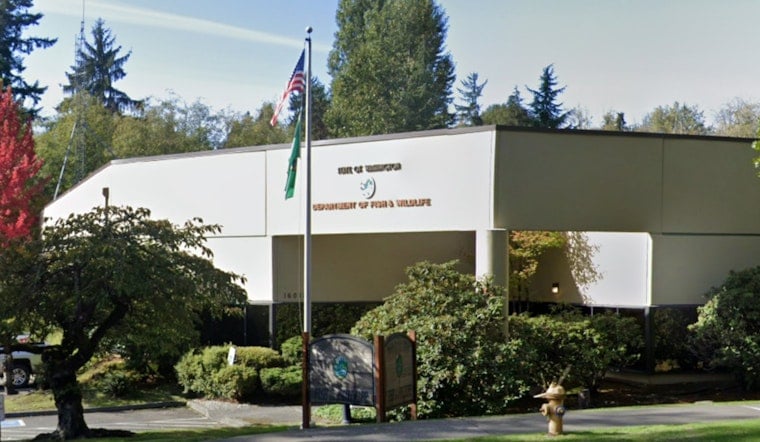
The Washington Department of Fish and Wildlife (WDFW) is inviting the public to a series of virtual workshops aimed at shaping the future of water access in North Puget Sound. According to a recent release, these collaborative discussions will contribute to the development of a 10-year management plan for WDFW-managed water access areas, which number around 125 across Island, King, San Juan, Skagit, Snohomish, and Whatcom counties.
The workshops are part of a broader initiative to enhance recreational spaces, and the involvement from the community is seen as critical to this planning stage. WDFW's lands planner, Shane Belson, emphasized the significance of public input as communicated in the press announcement, "This long-term planning effort will help set investment priorities for the next 10 years to provide continued access to the region's lands and waters for the public to enjoy recreation experiences and make memories with their families." The management plan is focused strictly on the oversight of lands and does not influence the region's fishery management strategies, according to the WDFW official website.
Individuals looking to take part in these discussions will need to pre-register online. The workshops are scheduled for the late afternoon, with each session dedicated to stakeholders from different counties. They will all run from 5:30 to 7 p.m. on their respective dates: Oct. 22 for Whatcom County, Oct. 23 for Skagit, Island, and San Juan counties, Oct. 28 for Snohomish County, and Oct. 30 for King County. Further information on the meeting specifics will be provided upon registration.
With this open forum, WDFW aims to gather insights on current land use and identify necessary upgrades or changes that could enhance the public experience over the next decade. These workshops also tie into the Department's 10-Year Recreation Strategy for WDFW-managed Lands (PDF), which outlines a long-term vision for sustaining Washington's natural landscapes. WDFW's role extends past these workshops, as they diligently manage over 1 million acres of land and numerous water access areas to preserve the state's biodiversity for wildlife and people.
For those unable to attend the virtual workshops, there will be additional opportunities to provide input as the process moves forward. For more details on the workshops and to pre-register, visit the WDFW website.





