

























































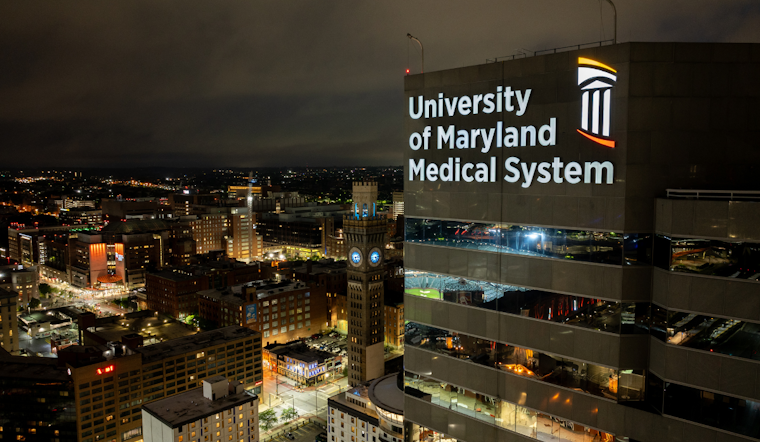
The legal system in Baltimore was confronted with a case that has captured public attention as Stephen Snyder, a high-profile medical malpractice attorney, was found guilty on charges of attempted extortion. Today, a federal jury pronounced the verdict after less than three hours of deliberation, marking a swift conclusion to a dramatic case. According to WBAL-TV, the 77-year-old lawyer attempted to extract $25 million from the University of Maryland Medical System, a move that now sees him facing the weight of the law.
According to WBAL-TV, the defendant, who chose to represent himself during the trial, maintained his innocence throughout the proceedings, claiming the case was an "absolute made up case full of fraud." In Snyder's own words, his trial was an ordeal where everyone, including his witnesses, "lied about everything." This defense, however, fell on dubious ears as the jury returned a guilty verdict on all eight criminal counts, including the main charge of attempted extortion and others tied to violations of the Travel Act. Based on the evidence presented, Snyder's recorded words appeared to be used against him, asserting threats and monetary demands.
Snyder's prosecution painted a damning picture, with testimony from a UMMS executive, Sue Pinter, providing a compelling narrative. "Mr. Snyder was very clear, if we didn't pay, I would be fired and he would go on this media campaign to destroy the hospital," Pinter stated, as WBAL-TV reported. This testimony stood contrary to Snyder's insistence that his actions were legal, ethical, and approved by lawyers, a stance not substantiated in the court's view.
Adding to the legal theater, Snyder faced admonition from U.S. District Judge Deborah Boardman for his conduct in the courtroom. Judge Boardman, determined to protect the court's dignity, found Snyder to be in contempt for "repeatedly and willfully" defying her direct orders. As reported by The FOX Baltimore, Snyder's last act of defiance involved attempting to initiate a mini-trial of UMMS despite explicit instructions against it. This led to his overnight detention by the marshal's service to ensure his court appearance and adherence to legal procedures.




