

























































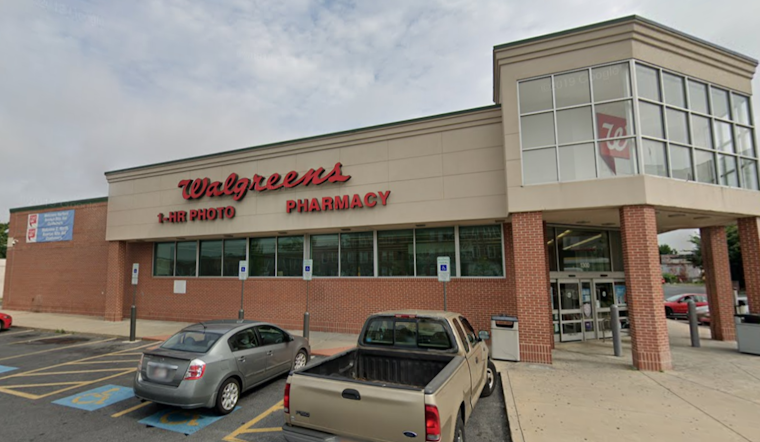
The Baltimore community faces a significant reduction in local pharmacy access following the closure of three Walgreens locations in the city. These closures at St. Paul and Fayette Street, North Avenue in East Baltimore, and Hampden are part of a sweeping plan by the pharmacy chain to close about 1,200 stores on a national scale over the coming years, as reported by WYPR.
The decision to close these stores adds to a pattern of diminished pharmacy options in Baltimore that began with two Rite Aids shutting down last October. These changes disproportionately affect low-income neighborhoods, often called 'pharmacy deserts.' In a statement detailed by WYPR, Mariana Socal, an associate scientist at the Department of Health Policy and Management at the Johns Hopkins Bloomberg School of Public Health, emphasized the crucial nature of pharmacies, saying, "Pharmacies bring a series of services to communities that go beyond the simple dispensing of medicines."
In the wake of the closures, residents' ability to afford and acquire medication could be compromised. "When these pharmacies close the biggest impact is affordability of drugs,” Socal said. “Patients have to pay more to get transportation to a different place to get not a visit to their provider to change the prescription, or to pay more out of pocket because the new pharmacy is not in their network," as detailed by WYPR. These closures, thus, might be more than an inconvenience; they represent a fundamental shift in the landscape of healthcare convenience and reliability that many have come to rely on.
Further details on the closures and background on Walgreens' national store reduction plans were not immediately available, but the impact on the local Baltimore community is evident. As detailed by Baltimore Fishbowl, these closures mark a profound change in the health service dynamic for the residents affected, with substantive implications for public health accessibility in the city.



