

























































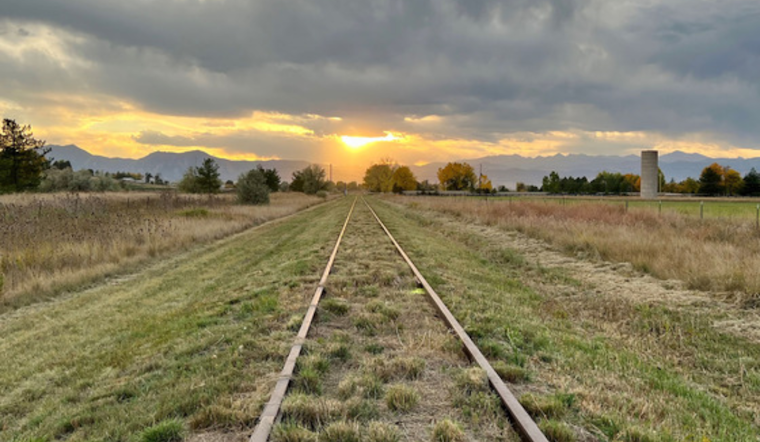
The Boulder County Board of County Commissioners has officially given the green light to the Boulder to Erie Regional Trail (BERT) Plan following a vote tally of 2-1 held last Thursday. The trail in question, aiming to span an 8.5-mile east-west corridor, aims to foster increased connectivity between Boulder and Erie, possibly reshaping the way area residents interact with the landscape and one another. A significant step in this initiative, the approval comes after a phase of deep community engagement which included multiple public forums and the solicitation of written commentary, as detailed by Boulder County.
The BERT Plan, which has undergone considerable scrutiny, lays out various potential trial options, ultimately pinpointing a preferred alignment for detailed examination. This preferred route is more than just a line on a map, it represents a convergence of technical evaluations, an amalgam of public and partner feedback, as well as a vision for environmental compatibility. The Board's decision now paves the way for seeking funds from local, state, and federal sources to propel the BERT Plan into its preliminary design stage.
Looking forward, the process is set to evolve into more granular engineering and environmental considerations. Careful analysis will need to ensure that the creation of this multi-use trail walks hand in hand with strategies to minimize the ecological footprint that the development will imprint upon the region. Crafting a path through nature that both respects and preserves it is a delicate balancing act, one that will continue to be at the forefront as the project moves forward.
Even as the foundation is laid and the guidelines are set, community insight and involvement remain critical. As per the Boulder County update, further coordination with partnering entities and ongoing outreach to the community are cornerstone elements of the next phases. The public can anticipate regular updates as the project evolves, reinforcing the county's commitment to transparency and participatory governance in shaping these literal and figurative paths that will underline the topography of community interaction.





