

























































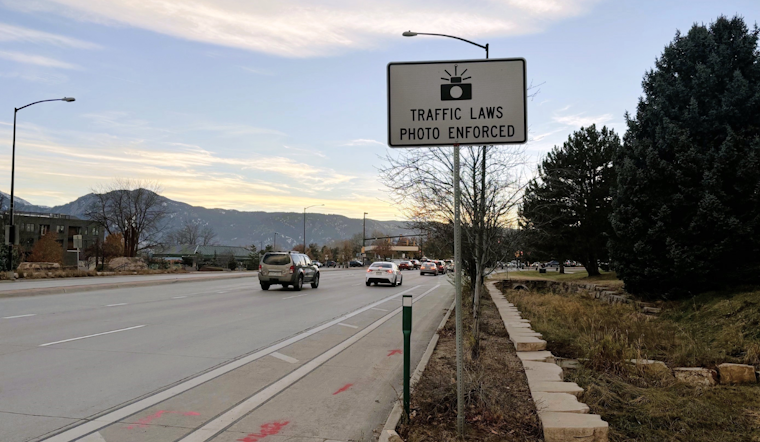
To curb the dangers of speeding in Boulder, the city has taken a technological leap forward. They're chartering new territory with an expansion of Automated Vehicle Identification (AVIS) corridors, as reported by the City of Boulder. The introduction of additional AVIS corridors is a direct response to Boulder's ambitious Vision Zero initiative, which aims to eliminate all fatal and severe injuries caused by crashes. According to the city's announcement, these newly designated areas will begin issuing warnings from January 2025, with the hammer coming down to issue citations starting March 1, 2025.
Speeding, notorious for its role in accidents, sits at the top of concerns for Boulder's streets, prompting the City Council to green-light this expansion. Corridors chosen for AVIS implementation were not randomly picked, but rather chosen based on significantly reduced crash-related variables over the past five years including speeding incidents, reckless driving, and specific community complaints. Streets such as Broadway, Foothills Parkway, and Baseline Road are on the map for future technical activations. "Crash data and conversations with our community consistently raise red flags around speeding," interim Director of Transportation Valerie Watson told the City of Boulder, emphasizing how speed enforcement integrates with other safety strategies.
Backing this vision, Boulder Police Chief Stephen Redfearn expressed his concern over speeding being one of the prime crash causes. "Speeding is one of the top two causes of crashes in our community and it’s everyone’s responsibility to drive safely and obey the speed limit,” he said, as per City of Boulder in a statement echoing Watson's sentiment about shared community responsibility for road safety. The city isn't stopping there, it's also seeking the Colorado Department of Transportation's approval to use the automated speed enforcement across several state-owned streets within its boundaries.
Prioritizing continuity in their safety measures, Boulder streets that had existing automatic speed enforcement measures will continue to operate without transitional warnings, including key areas like Iris Avenue and the intersection of Broadway and Pine Street. The new automated enforcement devices, made distinguishable by advance signage, are scheduled to quietly watch and effectively control vehicular rhythm in designated zones. It's a ticket-issuing process that remains unyielded, whether from a camera or the more traditional method of a traffic stop.




