

























































With the holiday season in full swing, Clark County's annual spike in food waste becomes a focal point for environmental and budget-conscious citizens. The county generates a staggering 35,000 tons of edible food waste each year, a statistic that not only pinches wallets but also contributes to greenhouse gas emissions, as noted in an initiative highlighted by Clark County Public Health.
Careful planning can mitigate the financial and environmental toll. Before hitting the grocery store aisles, residents are advised to take inventory of what’s already at hand. Equally crucial, is the use of resources like the "Guest-imator," a tool that calculates the quantity of food needed based on the number of guests, this, can significantly cut down on excess.
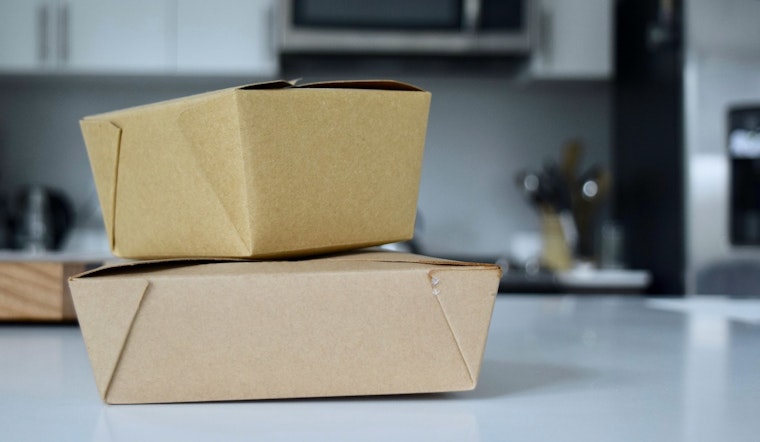
Leftovers should be seen not as an afterthought but as an opportunity. Clark County Public Health suggests sending guests home with reusable containers packed with the meal’s remnants. Unused dishes have the potential to transform into new creations, and freezing these meals can extend the festive flavors well into the future.
To further curb food waste, proper storage is key. Foods that spoil other groceries should be kept separate — for instance, onions and apples are known to hasten spoilage due to the gases they emit. Purchasing local and in-season produce can also reduce waste, as these items typically endure less transit time and hence have a longer shelf life.
Composting emerges as another effective strategy. By returning essential nutrients to the earth and avoiding synthetic fertilizers, it stands as a sustainable alternative to food scrap disposal. Residents can make use of curbside composting services or drop-off locations, all detailed on the county's We Compost Community Hubs webpage. Rather than adding to landfills and escalating greenhouse gases, these simple yet powerful practices can forge a path towards a more sustainable, less wasteful holiday season.


