

























































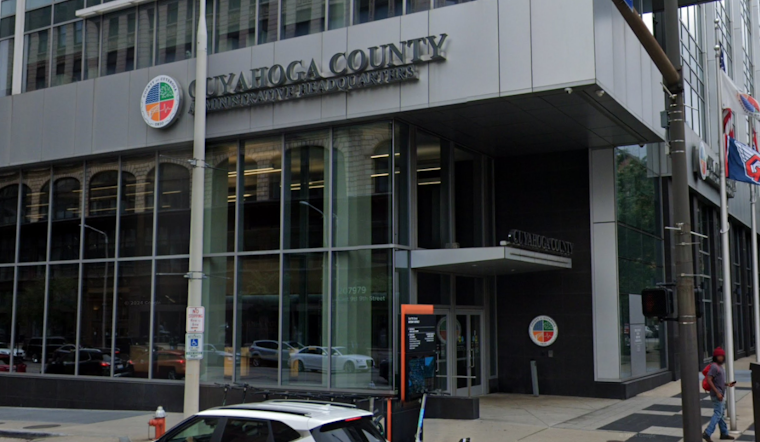
In an effort to deepen its comprehension of illicit drug use and improve public health strategies, the Cuyahoga County Medical Examiner's Office (CCMEO) has launched a pilot drug testing program. The program focuses on analyzing syringes obtained from syringe service programs (SSP) like The Centers and the MetroHealth System. As the official Cuyahoga County website reports, the program is being conducted in collaboration with the Cuyahoga County Board of Health (CCBH) and The Begun Center for Violence Prevention Research and Education at Case Western Reserve University.
Since the program's inception in August, over 120 syringes have been collected and tested. By doing so, the CCMEO and its partners strive to gain a fuller understanding of the substances used by individuals - individuals who are often at the periphery of healthcare and societal systems, yet whose well-being is no less significant. Recognizing the drugs present in their illicit supply, the program also transmits test results back to the SSP participants, empowering them with potentially life-saving knowledge.
Dr. Thomas Gilson, Cuyahoga County Medical Examiner, emphasized the program's value in the fight against the opioid crisis, "This program will provide valuable information to combat the overdose fatalities of the opioid epidemic," he told Cuyahoga County News. According to Dr. Gilson's statement, the gap between those who unfortunately succumb to fatal overdoses and those who persist, despite their brush with peril, is narrowed by understanding such patterns, shining a light on more effective public health strategies to reduce overdose deaths.
The initiative is funded by a CDC cooperative agreement called Overdose Data to Action (OD2A): Limiting Overdose through Collaborative Action in Localities (OD2A: LOCAL). The CCBH was awarded this project to support, among its chief beneficiaries, 40 city, county, and territorial health departments. Participation in the OD2A: LOCAL program helps the CCBH to address and mitigate the effects of overdoses within communities, fostering an environment where data translates directly into action and where policy follows the lead of compassion and empiricism.





