

























































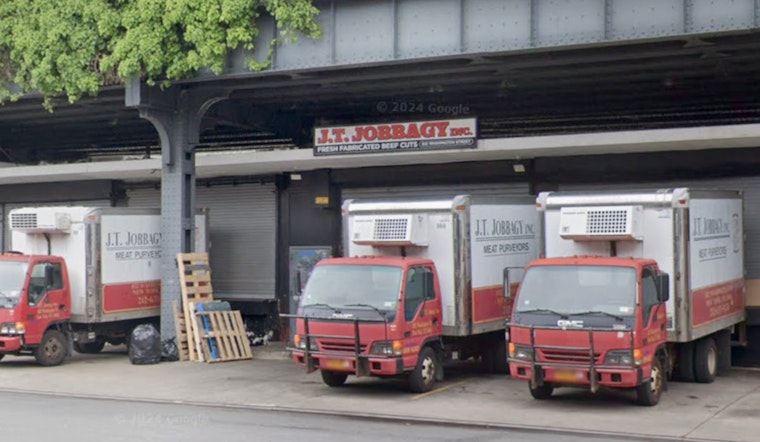
As the Meatpacking District in Manhattan undergoes its latest metamorphosis, John Jobbagy, the proprietor of the neighborhood's last meat market, is preparing to shut his doors, marking the end of an era for an area that once teemed with over 200 slaughterhouses. According to an article by ABC7 NY, Jobbagy's grandfather set foot from Budapest in 1900, joining a bustling hub of butchery that characterized the district for most of the twentieth century. "The neighborhood I grew up in is just all memories," Jobbagy reminisced, a testament to the district's evolving identity.
For locals and historians, the transformation has been stark. Where meat once moved quickly to markets, now high-end boutiques and restaurants dominate, with Jonbagy and his tenants accepting a city deal to leave and make way for redevelopment. Chronicled in a ABC7 NY piece, the district's change has been driven by advances in refrigeration and packaging that shifted the meat industry elsewhere.
In its heyday, men kept whiskey bottles in their lockers for warmth in the frigid processing facilities, an artifact of a bygone era before the district's streets were cleansed of the stench of raw meat. In a Chron report, Jobbagy shared, "Back then, meatpackers kept bottles of whiskey in their lockers to stay warm inside the refrigerated plants." The decline began gradually as meatpacking operations closed or moved, paving the way for the nightlife and upscale retailers that characterize the district today.
With the signing of the High Line into existence in 2009, the landscape of the district altered, attracting a new demographic of hotels, galleries, and apartment buildings. Jobbagy, as chronicled by Chron, noted how his father, who passed away five years prior to the park's opening, would find the modern district unrecognizable. The district, a meat hub, now witnesses the interplay between history and modern consumer culture, with establishments like Rag & Bone embracing the past through restored signs of bygone businesses.
As the Meatpacking District prepares to enter yet another phase, Jobbagy stands reflective of the past and accepting of the inevitable. Though unfixed, the eviction of the last meat market symbolizes a shift – not just for the neighborhood, but also for its final butcher. "I'll be here when this building closes, when everybody, you know, moves on to something else," Jobbagy told ABC7 NY. While some tenants seek to relocate, Jobbagy will retire along with his brother and their dedicated workforce, closing a chapter on a neighborhood with deep and varied roots.





