

























































In the bustling City of Fort Worth, a new road rehabilitation method, known as "modified rubblization," is paving the way for more sustainable infrastructure. Often, the only time we consider the state of our streets is when we encounter a jarring pothole or crumbling pavement. Yet, Fort Worth oversees an expanse of concrete that could stretch across the country multiple times. According to a recent report by the City of Fort Worth, over half of the city's 8,300 lane miles are made of concrete, a sturdy but costly material to maintain.
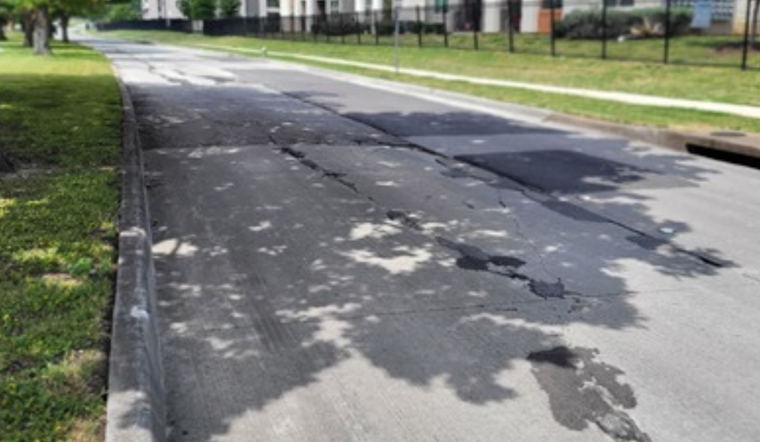
This technique not only repairs worn roads but does so while saving taxpayer dollars and reducing environmental impact. The City's news release reveals that the Pavement Management Team, in cooperation with Street Services, had put the method to the test on Northern Cross Boulevard. This street faced the full brunt of traffic, from family sedans to heavy haulers, and after years of use, it was due for an overhaul.
Despite not being a first in the U.S., the Northern Cross Boulevard project marked a premiere for Fort Worth. With a stretch of 0.4 miles undergoing the modified rubblization, the project was completed in a swift three-week timeframe, as detailed in the city's announcement. Moreover, the financials are noteworthy; the City saved upwards of 70% relative to traditional concrete reconstruction costs, courtesy, in part to not having to transport old material away or truck new foundation material in.




