

























































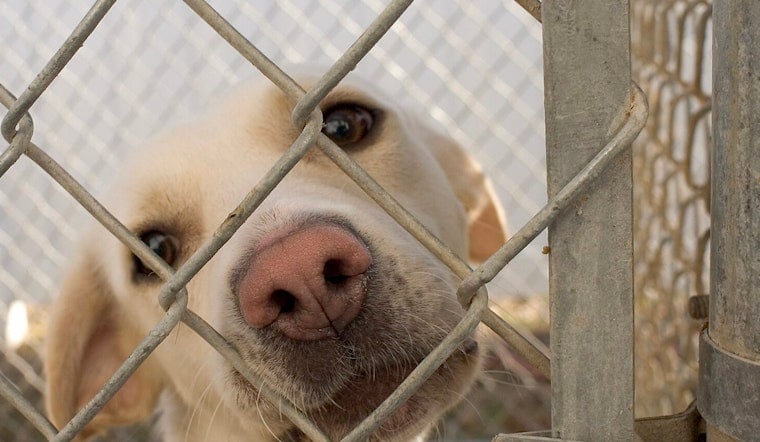
Dog lovers and animal rights advocates in Harris County are expressing concerns about a new euthanasia policy introduced by Harris County Pets (HCP). The policy shortens the shelter stay for dogs before they are placed on the euthanasia list from 30 days to 15 days and increases the frequency of euthanasia from two days a week to three. Advocates have raised concerns that this may speed up the process for many sheltered pets, as reported by ABC13.
According to volunteers who prefer to remain anonymous for fear of repercussions, this decision is expected to significantly raise the number of dogs deprived of the chance for adoption and instead facing euthanasia. Advocates like Adriana Barrios of Rescue Dog Army, who fosters several dogs from HCP, has spoken out against the policy. "There is a sense of panic, like we're losing a battle. The 30-day policy was already hard, but a 15-day window is going to be nearly impossible," she told ABC13.
Overcrowding at the shelter is a pressing issue, as highlighted by an October surge where the shelter accommodated 491 dogs, far exceeding its capacity of 250. A statement from HCP to ABC13 attempted to address this, saying that the policy "prioritizes compassion and transparency" and aims to give "every healthy and adoptable animal the chance to find a home."
The shelter's status as a no-kill facility has come under scrutiny amid these changes, as no-kill traditionally maintains a live release rate of 90% or higher. "When you subject animals to these sorts of inhumane warehousing conditions, you are essentially condemning them to becoming unadoptable," said Daphna Nachminovitch, senior vice president of cruelty investigations at PETA, in an interview with the Houston Chronicle.
Local authorities are turning their attention to the root of the problem. Pct. 3 Commissioner Tom Ramsey has advocated for allocating resources to boost the shelter’s infrastructure, suggesting that $1.1 million initially meant for health services be reallocated for animal welfare to help address the critical issue. "With over a million stray dogs in Harris County, the issue is critical. Houston is ranked the second most dangerous city for mail carriers due to dog attacks. Shelter overcrowding harms both animals and workers, and adoption alone won't solve the problem," Ramsey stated in comments obtained by ABC13.
For now, as Harris County Pets tightens its policy and tensions rise, the consensus among advocates and county officials alike seems to lean towards a multi-faceted approach where community involvement, resource allocation, and strategic policy implementation are crucial. This may not only better address the stray population but also improve the welfare conditions and chances of survival for animals sheltered at HCP.





