

























































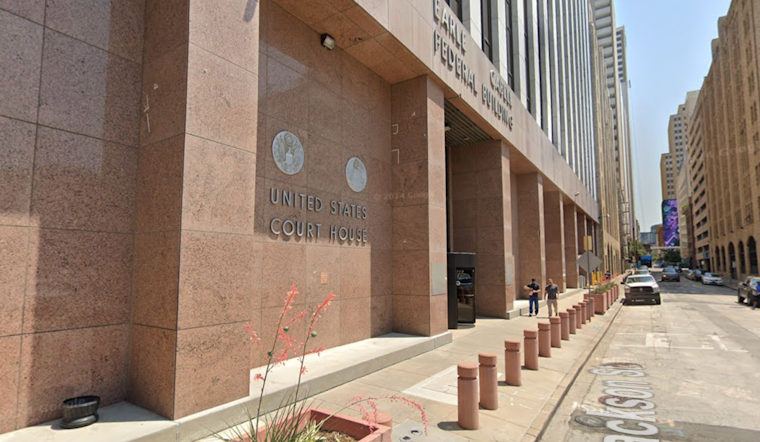
In a settlement that highlights the need for strict compliance with federal healthcare regulations, Horizon Medical Center in Denton has agreed to pay the government $14.2 million. The North Texas Medical Center was reportedly in potential violation of Medicare regulations and the Stark Law related to physician self-referrals at its outpatient surgery centers. The U.S. Attorney’s Office for the Northern District of Texas announced the settlement, which the center self-disclosed, leading to a lesser penalty.
Owned by Corinth Investor Holdings, L.L.C., Horizon Medical Center admitted to failing to apply the “PN” modifier on Medicare claims, which indicates services at certain off-campus facilities. This omission was part of its $14.2 million settlement to resolve allegations only, with no determination of liability. According to the announcement, the medical center also entered into agreements with physician-owned entities that implied financial ties possibly influencing physician behavior, playing a part in the financial relationships unearthed by the Department of Justice.
U.S. Attorney Leigha Simonton emphasized the importance of companies adhering to federal healthcare program rules. "This office will continue to make sure that companies follow the rules of the road when submitting claims to federal healthcare programs,” said Simonton. “And while we will never condone unlawful conduct, we will continue to credit companies that voluntarily self-disclose misconduct prior to the government initiating an investigation," said Simonton, as per the U.S. Attorney’s Office.
The resolution was made possible through a coordinated effort between the U.S. Attorney’s Office and the U.S. Department of Health & Human Services’ Office of Inspector General. Assistant U.S. Attorneys Ken Coffin and Brian Stoltz handled the matter, which reflects the Office's continued enforcement under the False Claims Act. The settlements credited each company for self-disclosure, collaboration, and further cooperation with government investigations, thus encouraging other entities to come forward with honesty when dealing with federal healthcare programs.





