

























































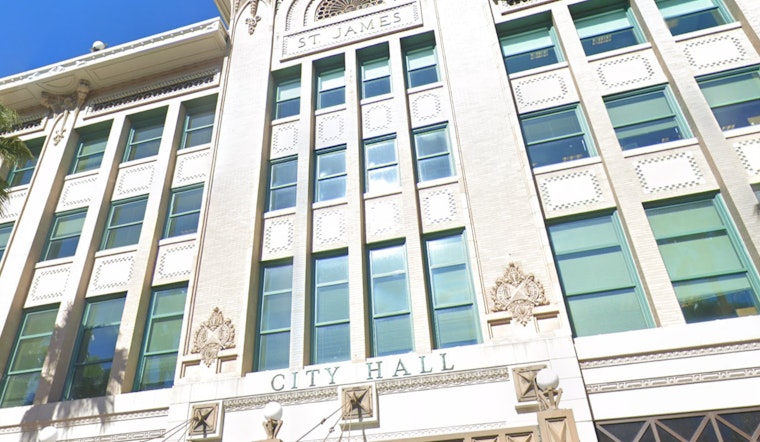
The Jacksonville City Council has recently approved a budget allocation of $1.3 million towards the expansion of shelters to support individuals experiencing homelessness. This decision comes in direct response to the enforcement of HB 1365, a new Florida law which makes it a punishable offense for anyone to sleep in public spaces. Despite the law's rigor, local officials insist on adopting a thoughtful stance towards the affected population. "What I don’t want is homeless being picked up and taken straight to jail. We need to bring a compassionate approach," Council Member Raul Arias said in a statement obtained by Action News Jax.
The Jacksonville Sheriff's Office revealed that in the weeks following the law's enactment, officers were to begin immediately citing individuals found violating the ban, with more than 300 people warned, and upwards of 21 arrests made, as per a report by MSN. The citations mainly took place Monday through Friday around the downtown Jacksonville region. In light of these events, the approved funding from the city council appears aimed at providing more than just temporary refuge, but also seeking to substantially better integrate the homeless population into the community fabric.
Detailed allocations for the approved funds were disclosed by First Coast News, outlining contributions to three primary organizations. Trinity Rescue Mission is set to receive the lion's share of the funds, with $634,421.60. Following are City Rescue Mission, receiving $288,970.40, and The Salvation Army, which will obtain $410,336.00. The overall goal of these contributions is to enhance the current infrastructure and increase the shelter capacity by an additional 110 beds.
Despite the increased capacity being a step towards addressing the needs of Jacksonville's homeless, the community faces a continued challenge in reconciling the provision of support services with the new punitive measures. Even with the best efforts to allocate substantial funding, Jacksonville, along with other areas under the jurisdiction of this new law, grapple to simultaneously uphold the law and ensure a humane approach towards those who find themselves without a home.





